Tips
Jan 9, 2026
Inside Turnkey Villa Interiors in Chennai’s Coastal Climate
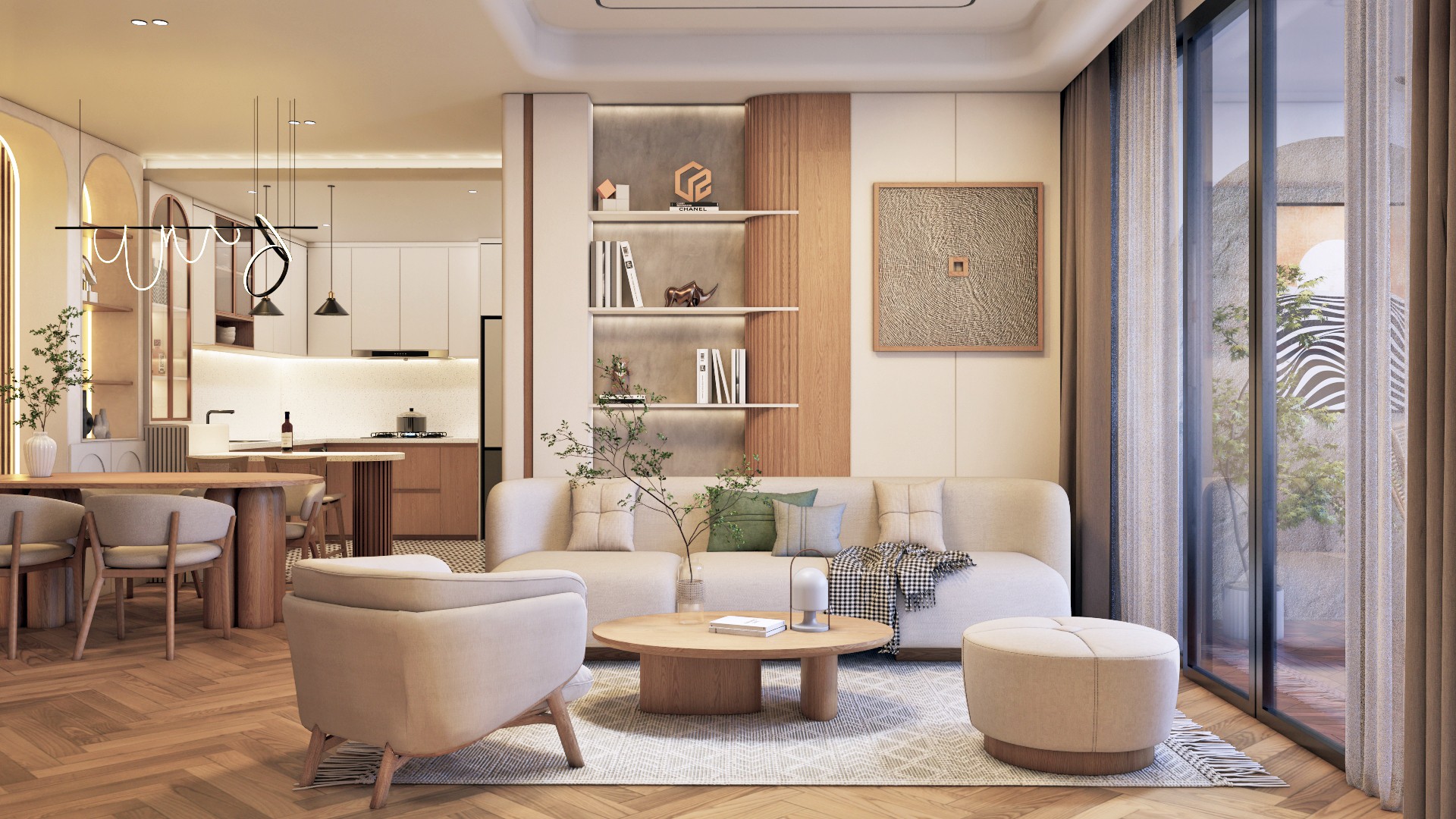
Designing villa interiors along Chennai’s coast is not only about style. The same sea breeze that feels so pleasant can quietly damage a home from the inside. Many villa owners along ECR, OMR, and the outer suburbs see the same pattern: salt in the air, sticky humidity, hairline cracks, swollen doors, rust spots, and mould on wardrobes appearing after just a couple of monsoons.
We work in this climate every day, and we see that the real challenge is technical. The success of turnkey villa interiors in Chennai depends on the right materials, careful detailing, planned ventilation, and disciplined execution on site. A good turnkey approach ties all of this together so you have fewer surprises, fewer hidden costs, and less friction after you move in, whether you live here full time or visit seasonally.
What Turnkey Really Means for a Chennai Villa
In the local context, turnkey should mean one clear point of responsibility. In practice, that single team typically takes end-to-end ownership across design, planning, execution, and handover, so you’re not coordinating multiple vendors for interdependent work.
This usually covers the following:
Design and planning
Civil changes inside the villa
Carpentry for kitchens, wardrobes and storage
Electrical, plumbing and basic AC planning
False ceilings and lighting
Loose furniture and soft furnishings
Basic automation or security provisions
Cleaning, snag checks and final handover
This is different from a pure modular vendor or a freelance designer working alone. With a proper turnkey team, the same people who draw your plans also handle site coordination, builder rules, association guidelines and local service contractors. There is less gap between what is promised on paper and what actually gets built.
A typical workflow for turnkey villa interiors in Chennai usually moves through three connected phases: pre-design, design, and execution. Pre-design involves a detailed site survey and an understanding of builder specifications, association rules, and realistic power and water availability. The design phase then develops layout options and 3D views, coordinates AC and electrical planning, and, most importantly for the coast, shortlists materials that can handle heat, humidity and salt air. Execution follows with civil work, wiring, plumbing, false ceilings, carpentry, finishes, deep cleaning, snag listing and final handover.
For villas, we also have to think about staffing patterns, security and access for maintenance. For example, where will the house help store cleaning tools so they dry out properly? How will service staff access outdoor units and filters that sit in the harsh sun? These decisions affect how well your home holds up over time.
Building for Heat, Humidity and Salt Air
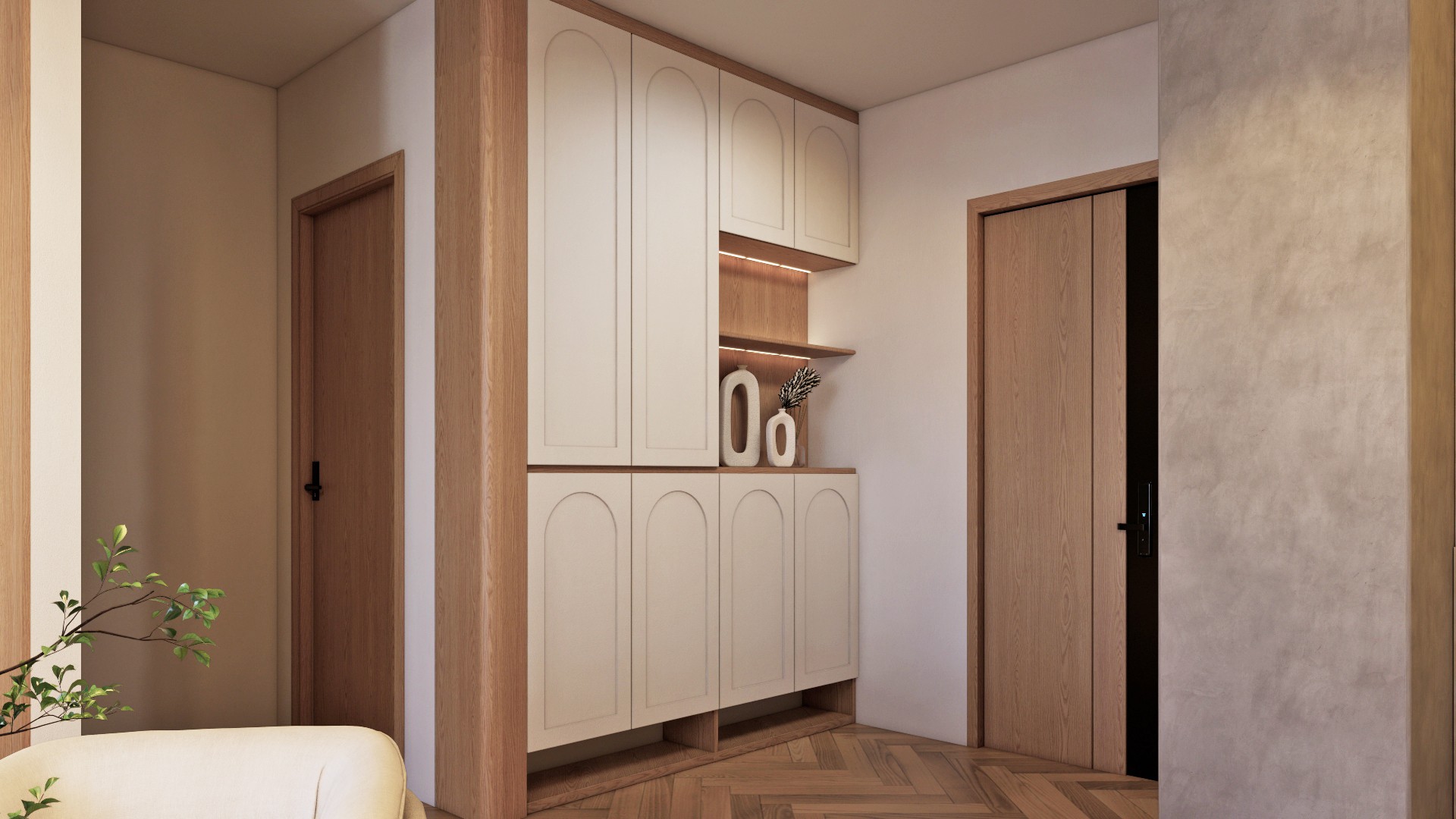
Chennai’s coastal belt brings four steady pressures on interiors: strong sun, year-round humidity above comfortable levels, fine salt in the air and wind-driven rain during monsoon. Over a few years, these can discolour surfaces, swell wood, rust metal and feed mould inside closed storage.
Practical material choices help a lot:
Woodwork: BWR or BWP plywood for kitchens and wardrobes, not bare particle board. Avoid exposed MDF near wet or semi-open areas.
Finishes: good quality laminates or PU coatings, with proper edge-banding so moisture cannot creep into the core.
Hardware: stainless steel 304 or better for hinges and handles, powder-coated fittings in harsh zones, and soft-close systems designed to handle dust and occasional grit.
Surfaces: vitrified tiles or engineered wood instead of solid wood flooring in many cases, quartz nearer windows or balconies instead of porous stone, and anti-skid tiles where people walk in from the garden or pool with wet feet.
Detailing is just as important as the materials themselves. What looks like a small junction on a drawing can become a long-term weak point once humidity and salt start working into corners and edges. In coastal villas, the key is to design for movement, drying and maintenance access from day one.
That’s why the following detailing decisions matter:
Flexible movement joints and sealants near large openings that face the sea, to handle expansion and small building movements
Planned ventilation inside wardrobes and lofts so closed cabinets do not become damp boxes
Access panels and service gaps for AC, electrical and plumbing, so future repairs do not mean breaking finished work
When design and execution teams sit together from day one, these climate-based decisions can be locked in early. That is where turnkey adds real value, as a preventive plan rather than a reaction to damage after the first monsoon.
Cost Planning for Coastal Turnkey Villas
Many villa owners are given a single per-square-foot number for interiors. Without context, this hides what is actually driving cost and long-term performance. In coastal conditions, the real conversation is about scope and priorities, not just rate.
Most turnkey villa interiors in Chennai can be viewed in layers:
Fixed elements: kitchens, wardrobes, storage, false ceilings, basic lighting, grills or insect mesh if needed
Variable elements: loose furniture, decor pieces, automation add-ons, and any link to outdoor spaces
Climate-specific provisions: stronger hardware, better waterproofing in bathrooms and balconies, upgraded detailing around windows and external doors
An illustrative way to think about the share of cost could be:
Kitchen and utility: 25 to 35 percent of the total interior budget
Bedrooms and wardrobes: 25 to 30 percent
Living, dining and foyer: 15 to 20 percent
Services (AC coordination, electrical, false ceilings, lighting): 15 to 20 percent
Contingencies and site-specific needs: 5 to 10 percent
Within this overall structure, some priorities tend to pay back quickly in coastal homes. Hardware for kitchens and wardrobes is one, because the wrong choice can fail quickly in salt air. Bathrooms and balconies are another, where better detailing and waterproofing save trouble later. Electrical and AC infrastructure also matters, not only for safe loads and the right points, but for service access that prevents future damage to finished work. Finally, hybrid solutions that mix modular components with custom carpentry can be a practical way to balance budget, speed and performance.
Cost control is still possible without weakening the home. For example, simpler wardrobe interiors with more open shelves, or using a tighter material palette, can keep things manageable while still being suitable for the coast. Transparency helps here: a written list of items, clear inclusions and exclusions, brand ranges, workmanship warranty and payment stages tied to site progress.
After-Sales, Maintenance and Monsoon Readiness
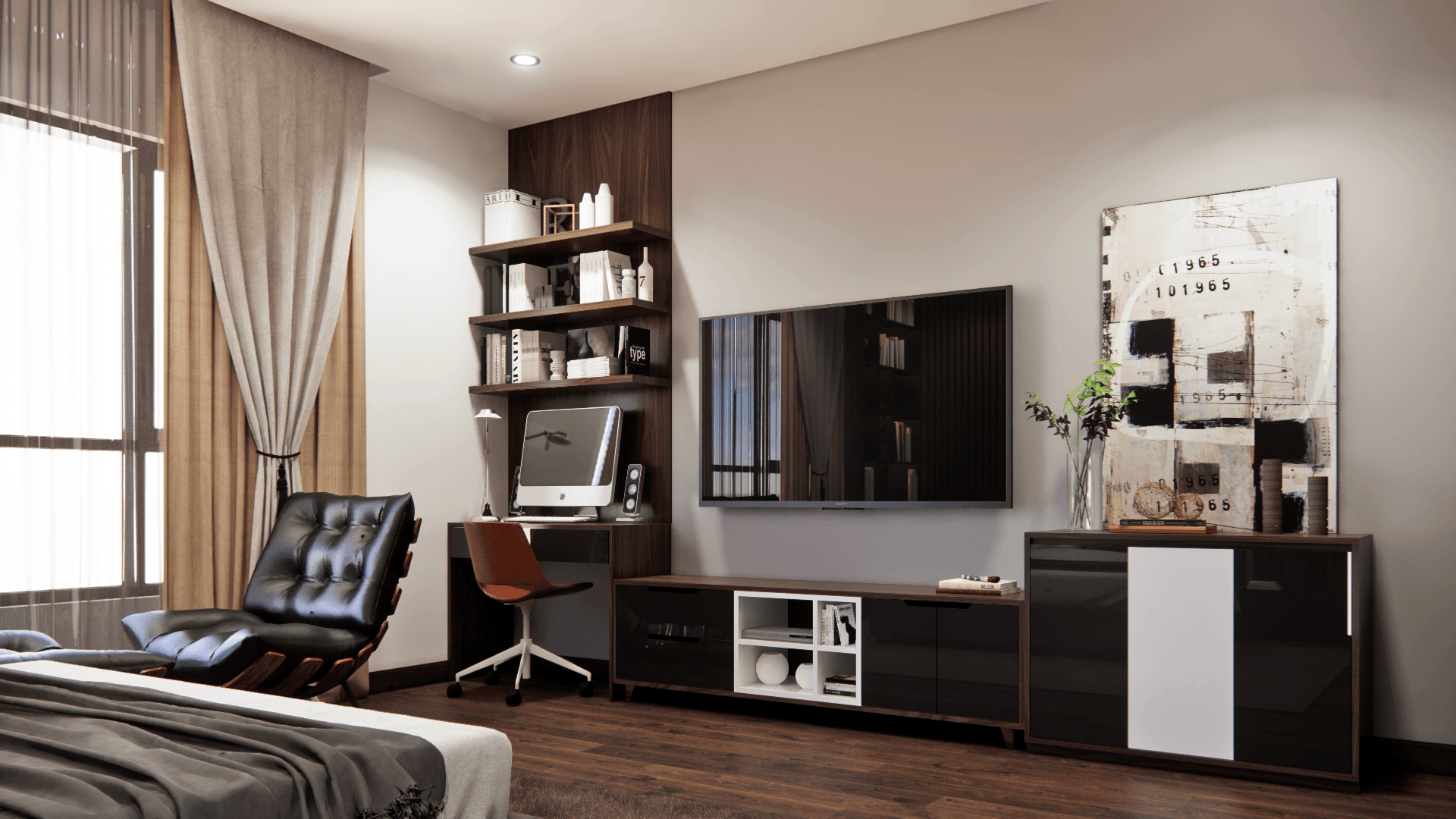
Even with careful planning, a coastal villa will change a little as it settles and seasons cycle through. Common post-handover issues include:
Small hairline paint cracks at junctions
AC condensation showing up near some ducts if drainage is not perfect
Slight door misalignment as wood responds to humidity changes
Early rust spots on external metal pieces
Ageing of silicone or sealants near windows and balcony doors
A structured after-sales process is not a bonus; it is part of coastal living. For a turnkey villa, this usually means:
Scheduled checks a few months after handover and around the end of the first year
A clear way to raise snags with photos and descriptions
A simple protocol around pre-monsoon and post-monsoon inspections, especially on sea-facing sides and open balconies
Homeowners also play a role, because daily use patterns and seasonal attention strongly affect how materials behave in humid air. A basic seasonal checklist can make a big difference:
Pre-summer: service AC units, check wood movement, inspect window and door seals
Pre-monsoon: clean balcony and terrace drains, re-seal suspect joints, check grills, mesh and outdoor metal items
Post-monsoon: treat any damp spots early, check hardware, and review storage near outer walls
Even the best turnkey interior in Chennai will perform better with this shared responsibility between homeowner and design-execution partner.
Practical Checklist Before You Sign a Turnkey Contract
Before finalising turnkey villa interiors in Chennai, it helps to ask focused, climate-aware questions. The goal is to confirm that the team is not only designing for looks, but also for the coastal realities that show up after the first summer and monsoon.
On climate fit, ask:
Which plywood grades will be used in kitchen, bathrooms and wardrobes?
What hardware specifications are planned for coastal conditions?
How will windows, balcony doors and sea-facing openings be sealed and detailed?
How will ventilation be handled inside large wardrobes and lofts?
On scope, clarify:
Who is actually handling civil work, AC, electrical and any bathroom upgrades?
Who coordinates with the builder and association for permissions and timings?
What is included in soft furnishings and loose furniture versus what is left for later?
On documentation and process, insist on:
Drawings with dimensions and service points
A clear bill of quantities with materials and finish samples
Timelines, payment stages and a defined way to approve changes
A description of site supervision and quality checks
Some common questions we hear are listed below, along with the practical answer in a Chennai coastal context:
Do I need different materials if my villa is not directly sea-facing but still close to the coast?
Generally yes, the same humidity and salt air reach a few kilometres inland, so similar material care is helpful.
How much time should I keep aside before move-in?
For a full turnkey interior in a villa, plan for a proper design phase followed by execution time, rather than rushing and then fixing issues later.
Can existing builder wardrobes and kitchen be retained and upgraded?
In many cases, some elements can be reused or improved, but they need to be checked for material quality and detailing first.
What happens if certain defects show up only after the first monsoon?
This is where documented warranty terms, clear snag protocols and planned post-monsoon checks become important, so both sides know how such items will be handled.
At Interiors by DeX in Chennai, we approach coastal villas as long-term homes, not showcase sets. A calm, technical, climate-aware turnkey process gives you a space that is not only pleasant on day one, but continues to feel solid and reliable through many monsoons.
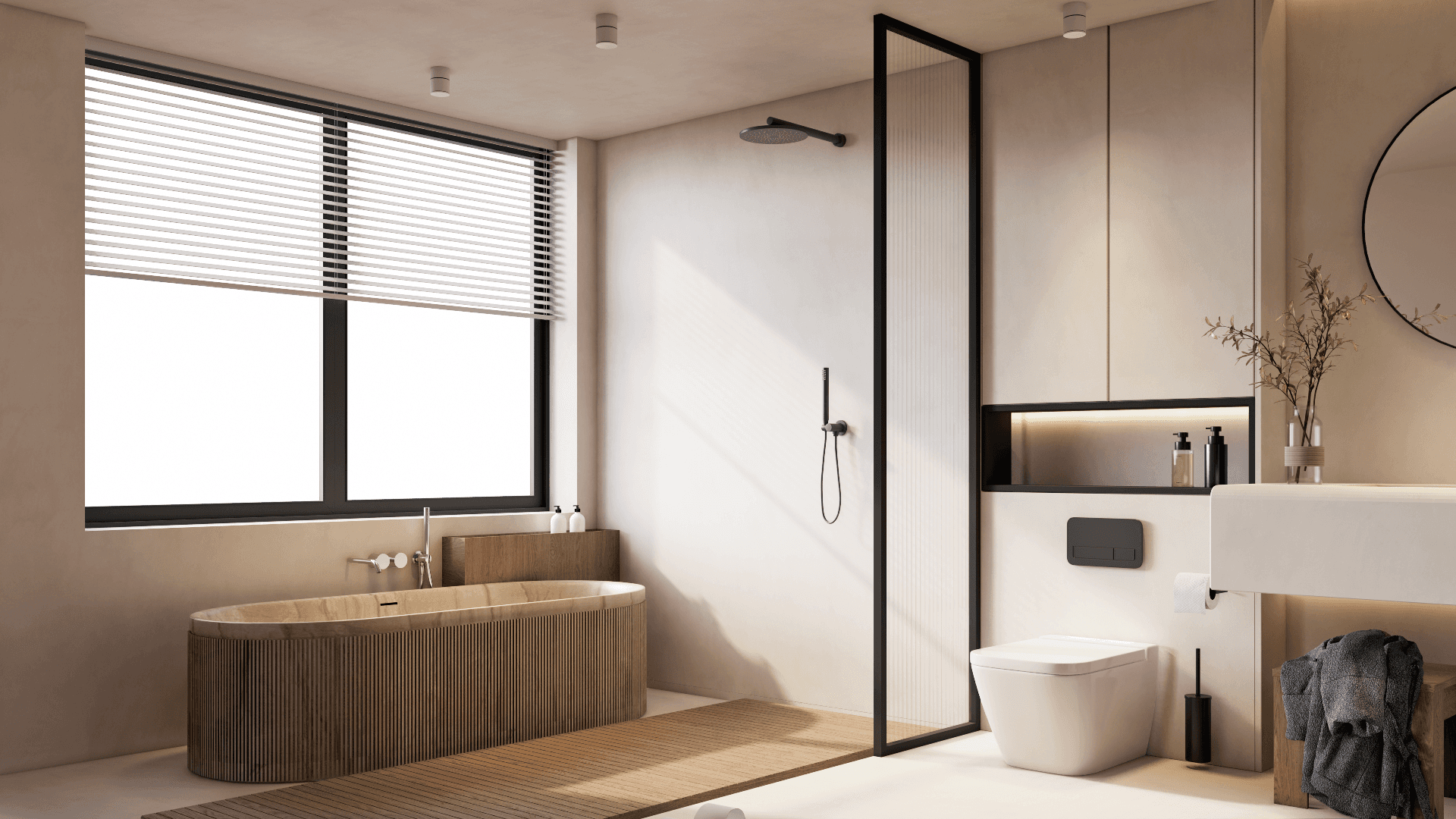
Transform Your Chennai Villa Into A Move-In Ready Sanctuary
Bring your vision to life with our bespoke turnkey villa interiors in Chennai, carefully managed from concept to handover. At Interiors by DeX, we handle every detail so you can enjoy a beautifully finished home without the hassle. Share your requirements with us and we will create a tailored design and execution plan that fits your style and budget. If you are ready to begin, simply contact us and we will guide you through the next steps.