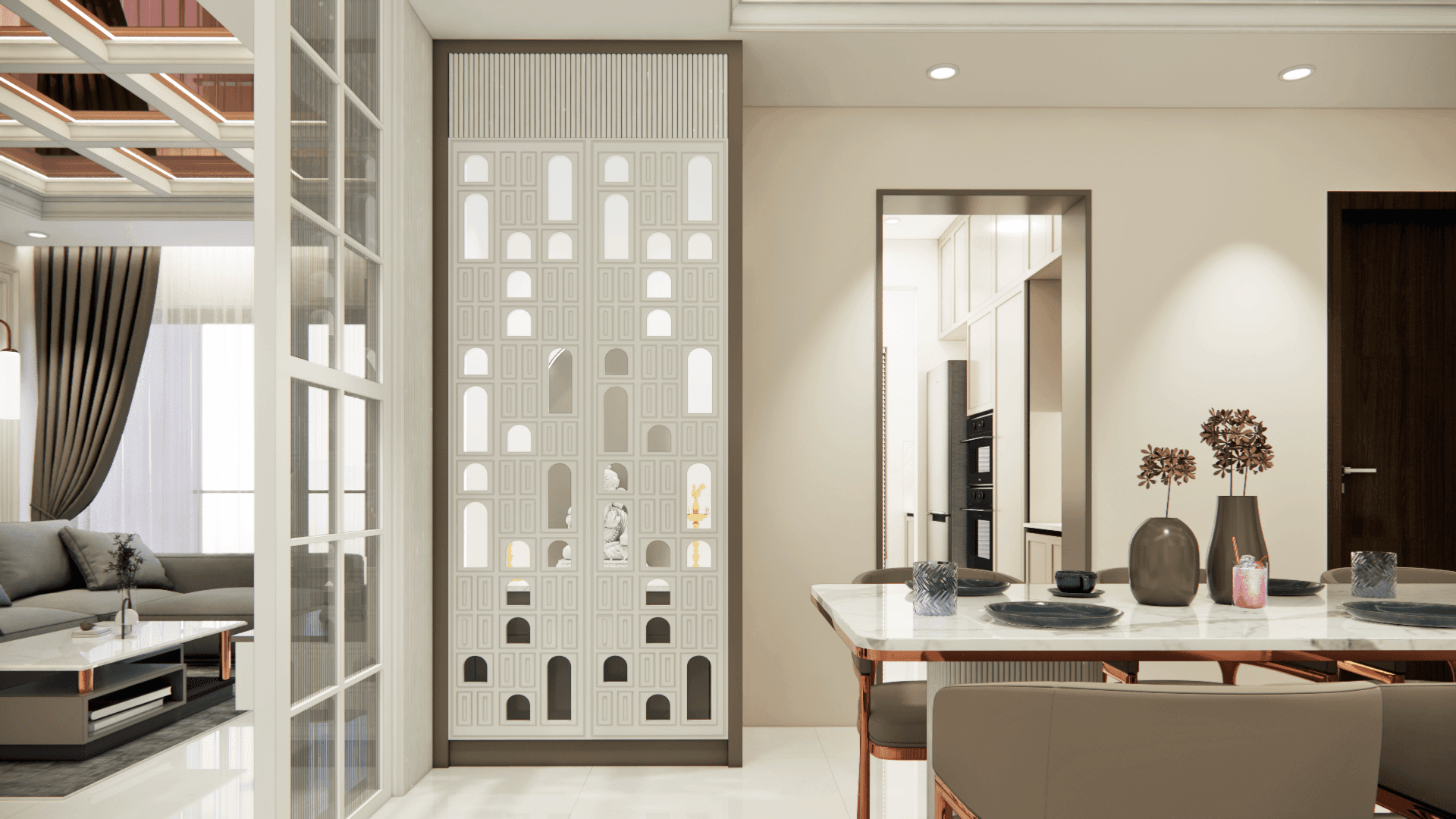
Calmer Homes Start With Clear Woodwork Decisions
For most homeowners, the stress around woodwork starts when the first carpentry drawings arrive. Sizes, materials, hinges, finishes and costs all come together at once. It is not always clear what genuinely affects daily use, what is just an aesthetic choice, and what drives the price up.
Custom carpentry, in this context, simply means woodwork that is planned for your home, not pulled straight from a standard catalogue. It covers wardrobes, kitchens, TV units, pooja units, study tables, window or bay seats, console units and storage that keeps daily items out of sight. When planned well, it connects design, materials and execution so the home works steadily in the background, without constant adjustment.
This article looks at custom carpentry in Chennai from an on-site, insider perspective: how it affects calm, maintenance, and cost decisions in a climate with heat, humidity and dust.
Key Takeaways
Learn how custom carpentry services in Chennai shape calm, functional home interiors with smart storage, durable materials and seamless finishings.
How Custom Carpentry Shapes Calm Chennai Homes
A calm home is not only about colours and soft furnishings. It starts with how lines, openings and storage are planned.
In compact Chennai flats, visual clutter builds up quickly. Different cupboard heights, open shelves at random locations and heavy handles can pull the eye in multiple directions. Custom carpentry can reduce this by using:
Continuous straight lines across wardrobes and kitchens
Full-height storage up to the slab, so there is no dust shelf on top
Concealed or simple handles instead of ornate hardware
When doors and shutters align, a room tends to feel taller and more ordered. The planning itself reduces the need for constant styling to make spaces look neat.
Local weather also shapes practical carpentry decisions in Chennai:
Moisture from kitchens, bathrooms and coastal air
Dust that settles on any open ledge
Mopping water that hits the bottom of units
Closed storage, well-planned lofts and slightly raised skirting details matter here. A kitchen unit lifted a little from the floor, or a wardrobe with a simple ventilation gap, can reduce swelling, smell and mould over time.
Daily routines are another useful guide. Calmer homes often come from practical choices, such as:
A proper entry unit, so shoes, keys and bags have a fixed place
Clear internal division in wardrobes for work, daily wear and infrequent use
Utility carpentry that holds cleaning tools and laundry, instead of letting them drift into bedrooms
When frequently used items have a defined place, there are fewer minor decisions to make every morning and night, which is what typically feels like calm in daily living.
Custom Carpentry Versus Modular and the Role of Materials
Homeowners usually hear two words during interior planning: modular and custom.
Modular: factory-made boxes in fixed sizes, assembled on site within a defined grid.
Custom carpentry: depth, height, internals and external finishes are tailored to the space and coordinated with electrical points, beams and columns.
For homeowners exploring custom carpentry services in Chennai, it helps to see where modular ends and true custom work begins. In older buildings or non-standard floor plans, full custom work enables options such as:
Storage that wraps around a column without awkward gaps
Narrow walls used for shallow crockery or book storage
Window recesses converted into seating or drawer units
A practical middle path is often a hybrid: modular carcasses from the factory for consistency, with custom shutters, panelling and fillers to handle on-site variations. This can provide cleaner joins while still allowing flexibility. Clear information about service terms and replacement support for factory-made parts helps with long-term planning.
Materials are the other major component, especially in Chennai’s climate. A simple way to frame this:
MR plywood: suitable for dry areas, such as many wardrobes
BWR or BWP plywood: better for higher-moisture zones, such as kitchens and some utilities
Particle board and MDF: usable for lighter, low-impact units if detailed and protected properly
HDHMR: useful where extra density and moisture resistance are needed
For surface finishes:
Laminates: durable and easier to clean
Acrylics: glossy, glass-like look but show smudges more easily
PU and veneer: visually richer but demand more careful maintenance
In homes designed for a calm, understated look, matte finishes and softer grains generally work better than very shiny, high-contrast combinations.
Hardware and ventilation have a quiet but important role:
Soft-close channels and hinges that can handle the weight of tall shutters
Corrosion-resistant hardware in coastal belts and near wet areas
Ventilation gaps or grills in wardrobes, especially along external walls
There is no universal “best” material. The practical approach is to use suitable materials in the right locations, with clear communication about expected lifespan, maintenance and replacement possibilities.
Planning, Cost Logic and Room-by-Room Decisions
Carpentry pricing often feels opaque because several components are combined into one figure. Internally, most teams think in patterns such as:
Wardrobes and kitchens measured by square foot
TV units, pooja units and special pieces as running feet or lump-sum items
The main factors shifting prices up or down include:
Core board type and thickness
Finish choice (laminate, acrylic, PU, veneer)
Hardware brand and accessories (drawers, pull-outs, tall units, internal organisers)
Site conditions, especially when working inside an occupied home
Planning around the pre-monsoon period can help if drawings and boards are frozen early. This allows most cutting and pressing to happen under controlled factory conditions, and reduces the duration of on-site work in open humidity.
Below is an indicative range often seen for custom work in Chennai. These are broad ballparks, not quotations.
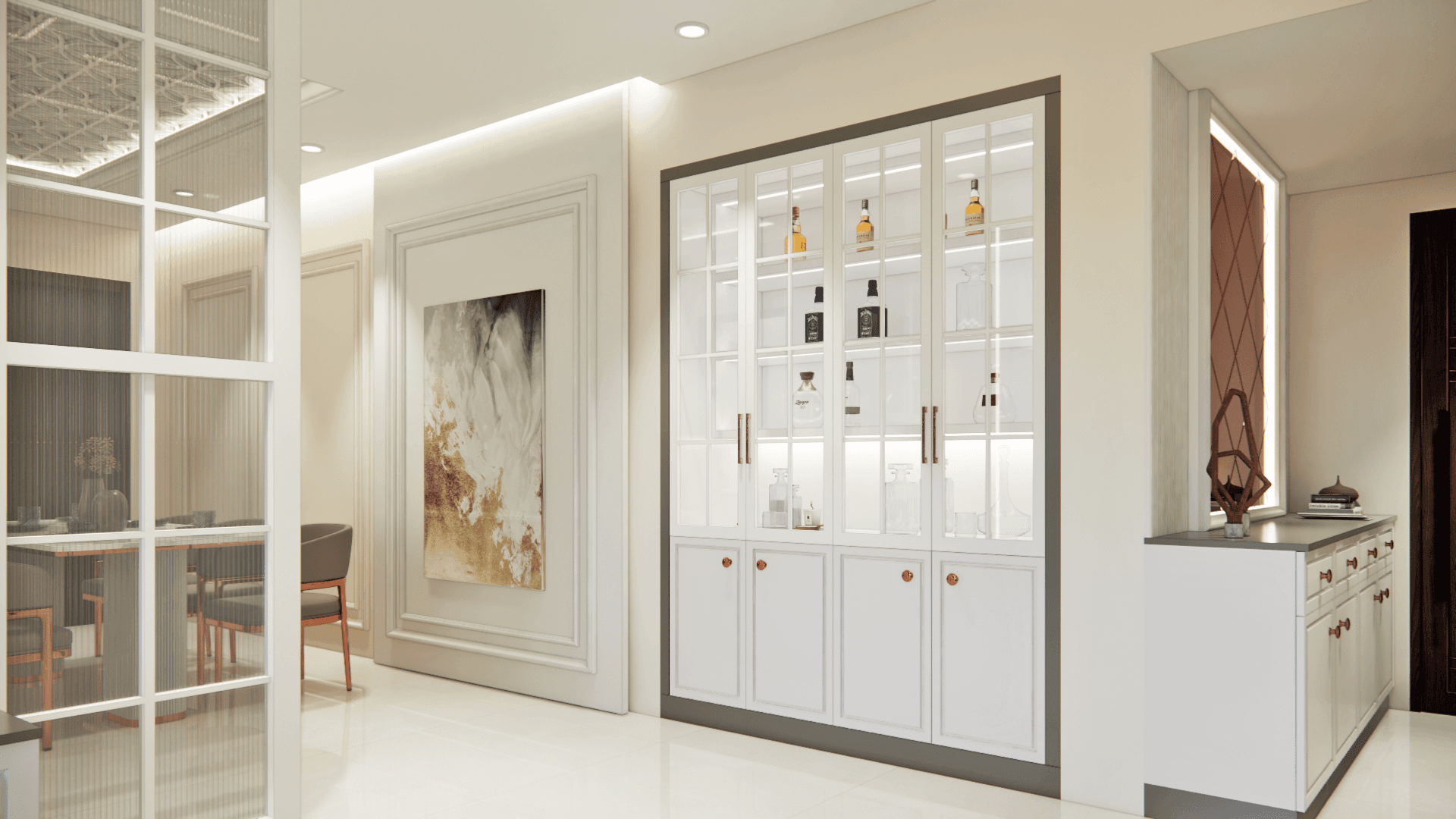
Example Custom Carpentry Cost Range in Chennai (Indicative)
Item Type | Specification (Typical) | Approx. Cost Range (INR / sq ft) |
Basic wardrobe | Laminate, MR ply, standard hardware | 1,300 – 1,800 |
Mid-range wardrobe | BWR/HDHMR, improved hardware | 1,800 – 2,500 |
Premium wardrobe | PU/veneer, branded hardware | 2,500 – 3,500+ |
Modular kitchen (base + wall units combined) | Depends on core, finish and accessories | 1,800 – 3,500+ |
In many turnkey projects, carpentry, finishes, installation and basic hardware are bundled into a single interior cost. The more detailed the itemisation, the easier it is to compare options without pressure.
At room level, a few steady principles help guide decisions:
Living and dining
Low TV units with clear wiring routes and defined power points
Shallow crockery or bar units that do not reduce already narrow passages
Simple panelling to hide cables rather than add heavy texture
Bedrooms
Full-height wardrobes with lofts for suitcases and rarely used items
Mirrors placed to catch light without blocking access
Slim study or dresser units built into corners rather than bulky standalone furniture
Kitchen and utility
Tall units for pantry storage and built-in appliances where needed
Closed overhead cabinets to control dust
Clear separation of wet and dry zones for easier maintenance
Compact storage around washing machines and sinks in utility areas
Villas and larger homes
Under-stair storage that aligns with the architecture
Built-in window seats with storage below
Study nooks that read as part of the wall, not as separate pieces
Additional attention to ventilation in rooms that stay closed for longer hours
Choosing a Carpentry Partner and Common Questions
Selecting a team for custom carpentry services in Chennai is more about clarity than presentation. Useful checks include:
Do they share past technical drawings, not just finished photographs?
Can they explain their material and hardware choices in plain language?
Are they comfortable addressing damp walls, uneven floors and service access in detail?
Requesting a sample bill of quantities (BOQ) helps you see how they break down boards, finishes and hardware. A single-point team that handles both design and execution can reduce on-site improvisation because carpentry, electrical work and painting are coordinated from the start.
Common questions that often come up:
Is custom carpentry always more expensive than modular?
Not necessarily. In tight or irregular spaces, custom work can reduce waste, limit filler panels and use corners more efficiently. Cost depends more on material, finish and complexity than on whether the label is “modular” or “custom”.
How long does custom carpentry take?
A typical sequence might be:
1, 3 weeks for detailed drawings and approvals
2, 4 weeks for factory work
1, 3 weeks for installation, depending on home size and building rules
Timelines shift with building permissions, lift access and material choices.
Will woodwork expand or warp in Chennai’s humidity?
With suitable plywood, proper edge-banding, appropriate hardware, planned ventilation and experienced installation, issues reduce significantly. No material is completely immune, so written guarantees and clear service commitments are more dependable than informal assurances.
Can carpentry be done in phases?
Yes, if it is planned that way. Many homeowners prioritise kitchens and main wardrobes first, then add TV units, study areas and extra storage later. Planning the first phase with future plug points, wall finishes and load in mind helps later pieces fit in without major rework.
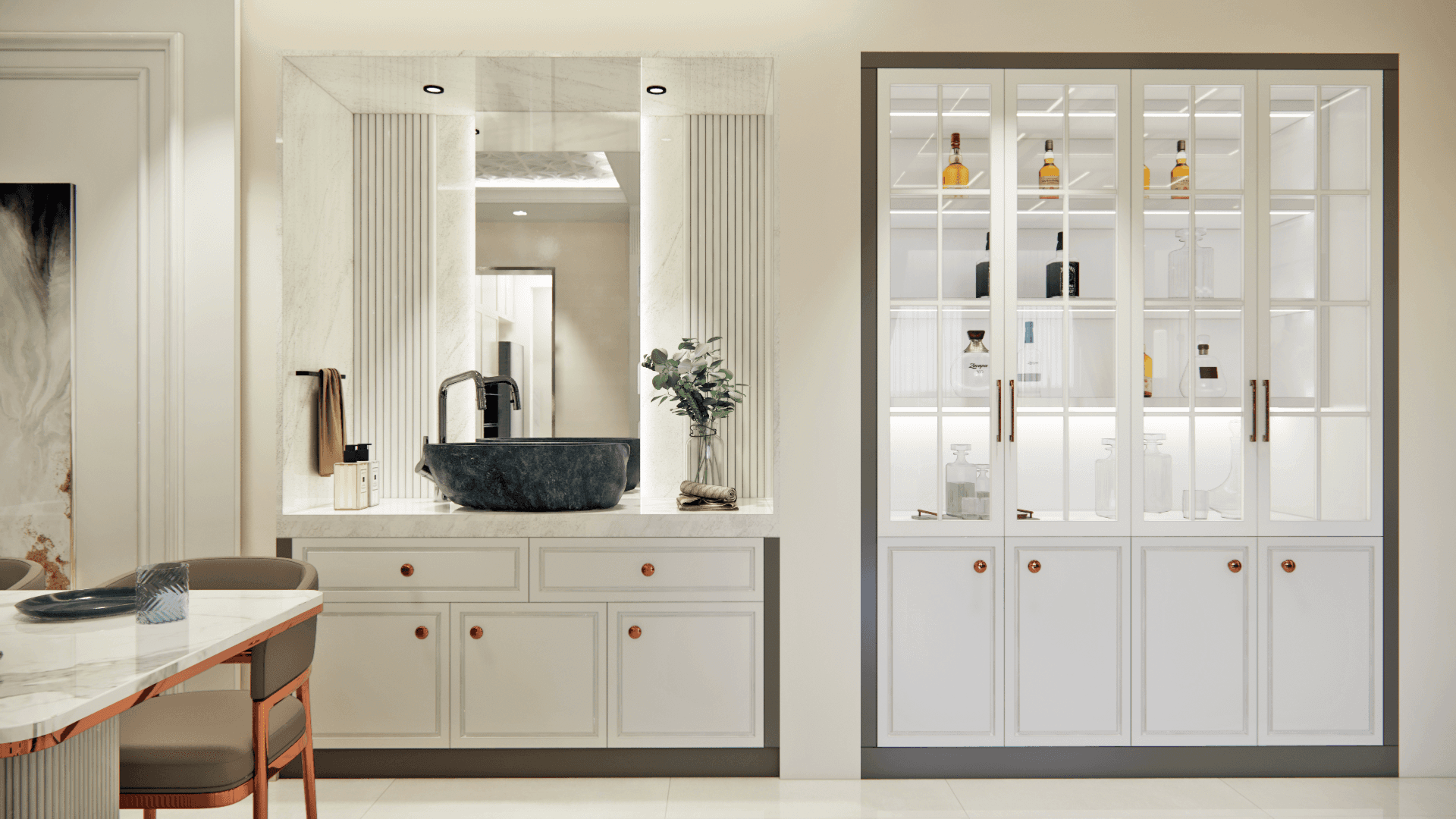
A Grounded Way to Move Forward
The most useful next step is often a detailed conversation that breaks down drawings, materials, hardware and costs in plain terms. Whether you work with a design-and-build firm or separate contractors, look for clear itemisation, realistic timelines and written service terms. That clarity usually does more for a calm home than any single material or finish choice.
Conclusion
Get Started With Your Project Today
Transform your home with thoughtfully crafted storage, furniture and finishes tailored to the way you live. Explore our custom carpentry services in Chennai to see how Interiors by DeX can turn your ideas into practical, beautifully detailed solutions. If you are ready to discuss your space, simply contact us and we will help you plan the next steps.