Tips
Jan 9, 2026
From 3D to Site: How Chennai Homes Stay True to Design

Homeowners in Chennai are often comfortable with decisions once they can see a clear picture. The problem is that the 3D walkthrough of a new flat or villa looks perfect, yet the finished home sometimes feels smaller, different in proportion, and less refined in details. The gap between that screen-perfect design and the actual site is where frustration, delays, and extra costs usually appear.
In this article, we want to unpack what actually keeps a design honest from 3D to final handover. From site surveys and drawings to material choices and after-sales service, we will look at how experienced interior design contractors in Chennai keep control of quality, and how we at Interiors by DeX approach this as one continuous process instead of disconnected stages.
From Site Survey to Buildable 3D
The first layer of quality control is not software, it is a tape, laser and level on site. Builder drawings are often indicative, not exact. We regularly see:
Columns that have shifted a few centimetres
Extra beams added for structural reasons
Slightly smaller windows or altered sill heights
Service shafts that are not where the plan shows them
A professional as-built survey in a Chennai apartment or villa typically includes:
Laser measurements of every wall, including diagonals to catch irregular rooms
Level checks to assess floor slopes and ceiling undulations
Plumb checks for walls, especially in bathrooms and kitchens
Exact positions of doors, windows, shafts, slab drops and sunken toilets
We then feed this data back into the 3D model and working drawings, adjusting wardrobe depths, counter lengths, false ceiling levels and door swings to the millimetre. Seasoned interior design contractors in Chennai treat this step as non-negotiable. When it is skipped, you see compromises like shallow wardrobes, odd fillers and last-minute carpentry tweaks that were never in the original quote.
Drawings That Keep Everyone Honest
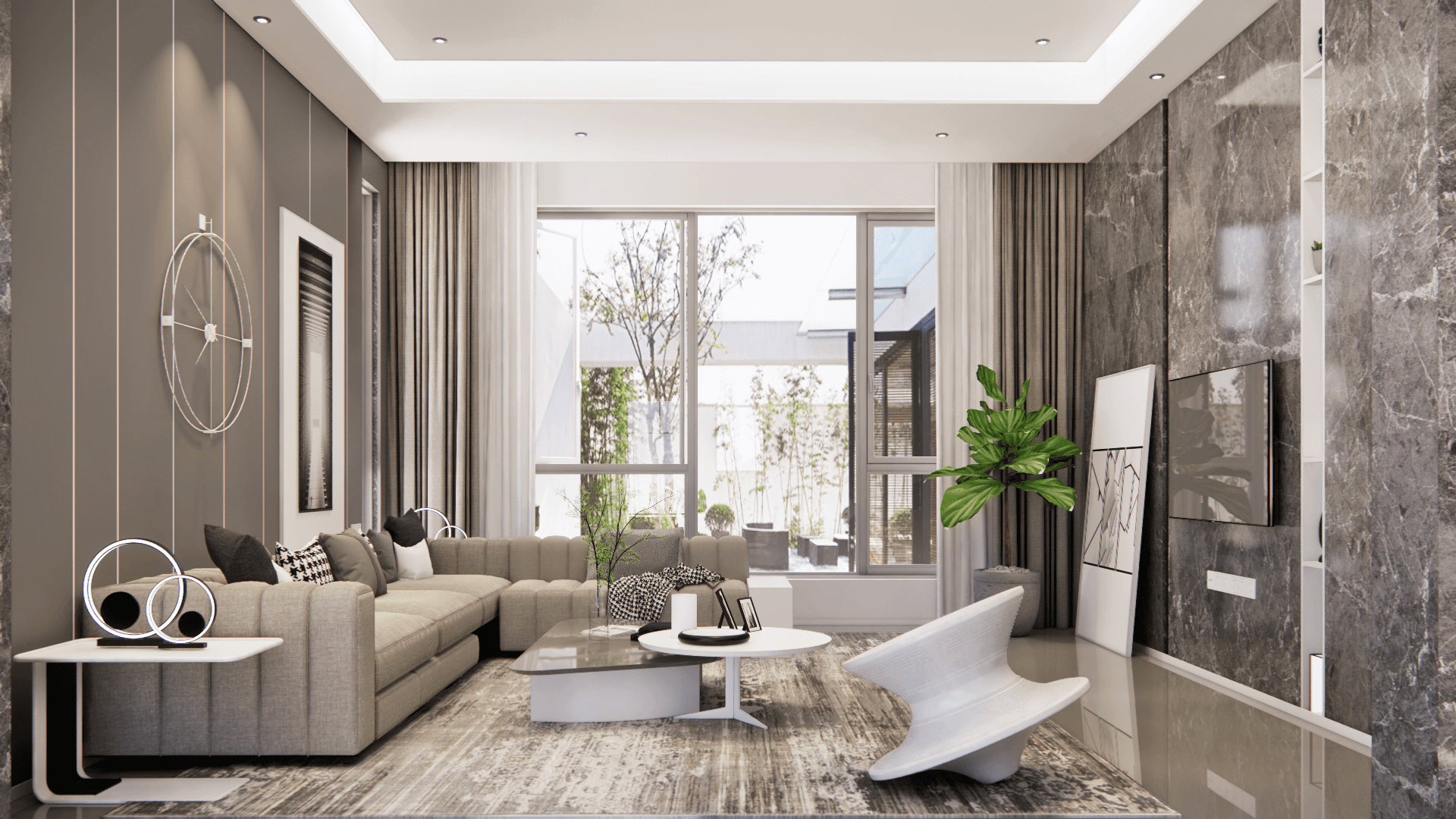
A 3D view is mainly a communication tool for look and feel. To actually build your home, the team needs a set of coordinated drawings, for example:
Dimensioned floor plans with furniture
Elevations and sections for each key wall
Electrical and plumbing layouts tied to furniture positions
False ceiling layouts with light and AC cut-outs
Detailed joinery drawings for kitchens, wardrobes and units
Each drawing is a quality control document. It freezes:
Dimensions and tolerances
Materials and finishes down to laminate codes or paint systems
Edge details, shutters, skirtings and profiles
Hardware types and opening directions
We focus strongly on clarity in drawings, using consistent symbols, legends and notes so that you and the site team read the same intent. In Chennai, coordination with the builder’s existing systems is especially important: electrical points, generator lines, AC outdoor locations and shaft access all need to be respected. If this is not resolved in drawings, it tends to appear later as visible conduits, awkward boxing or reduced storage.
Materials That Suit Chennai’s Climate
Chennai’s heat and coastal humidity are not kind to poorly chosen materials. On top of that, many homes face occasional seepage at external walls or bathrooms. When specifying, we always evaluate both usage and climate.
For core boards in kitchens, wardrobes and furniture, you will usually see options like:
Commercial plywood
BWR or BWP grade plywood
MDF
Particle board
For shutters and finishes:
Laminates of different thicknesses
Acrylic sheets
Membrane finishes
PU paint
Veneer with polish
And for hardware:
Hinges and channels rated for regular or heavy use
Soft-close mechanisms
Lift-up systems for overheads
A simple way to think about where to spend more is:
Wet and high-use areas (kitchens, utility, sink-adjacent storage) typically deserve better moisture-resistant cores and reliable hardware
Dry wardrobes and bedroom units can often use a more balanced mix, prioritising look and feel with sensible cost control
Display units and TV panels can focus more on finishes, since functional loads are lighter
Experienced interior design contractors in Chennai do not automatically push “premium” into every corner. We specify higher grades where water, heat and load demand it, and standard options where usage is light, always keeping the climate in mind.
On-Site Controls, Budgets, and After-Handover Care
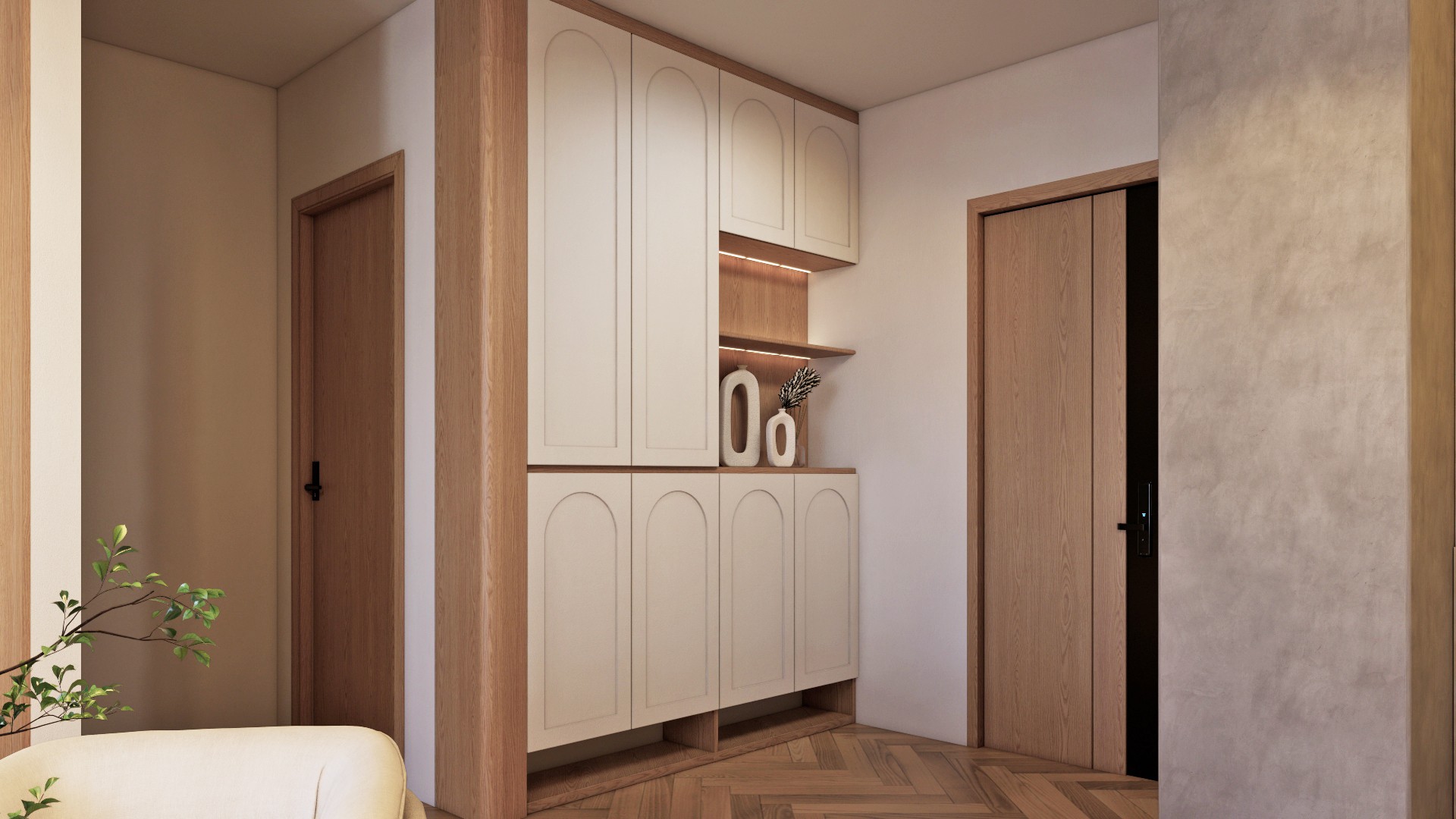
Once work begins, the discipline of execution becomes central. A typical sequence with quality checks looks like this:
Marking and civil works: wall positions, counter heights and door openings checked against drawings, not just “eyeballed”
Electrical and plumbing: points verified in relation to actual furniture, so switches land near bed sides, appliances match sockets and basins align with mirrors
Carpentry and modular installation: modules, shutters and fillers checked against approved shop drawings rather than being freely altered on site
Stage-wise checklists are very useful. We routinely review:
Levels of counters and ceilings
Alignment of shutters and gaps
Edge finishing and lamination at corners
Soft-close and hardware operation
Sealing and edge protection in wet areas
Chennai sites bring their own coordination issues, such as small lifts, restricted working hours in gated communities, association rules on noisy work, as well as water and power interruptions. Process-driven teams anticipate these and plan material movement, buffer days and work sequences accordingly. We integrate regular supervision visits and documented site photos, so there is a clear trail between what was promised and what was built.
On budgets, most homeowners are concerned that the final bill may not match the first quote. A transparent Bill of Quantities helps:
Costs broken down by room, material and finish
Hardware and accessories listed separately
Clear mention of inclusions and exclusions
Variations typically arise when:
Extra storage is requested after seeing the 3D developed
Finishes change, for example from laminate to acrylic or veneer
Site issues are discovered, such as damp walls, floor levelling or rewiring needs
The clean way to manage this is through written change orders, revised drawings and updated BOQs before execution, with payments linked to milestones that can be physically checked. Mature interior design contractors in Chennai work in this structured manner to avoid disputes at the end.
Quality does not stop at handover. Real behaviour of materials and hardware shows up after some months of use. Doors may settle slightly, silicone joints age, and the family’s routines put wear on certain high-touch areas. A responsible after-sales framework usually includes:
A formal handover with a snag list and photographs
Defined warranty periods for workmanship and hardware, aligned with vendor terms
At least one scheduled visit after move-in to handle minor adjustments
For many families, the period after getting the keys is already full of EMIs, school runs and office travel. Interiors should not become a second job. At Interiors by DeX, we see after-sales as part of the original commitment, not an optional extra charged only when something goes wrong.
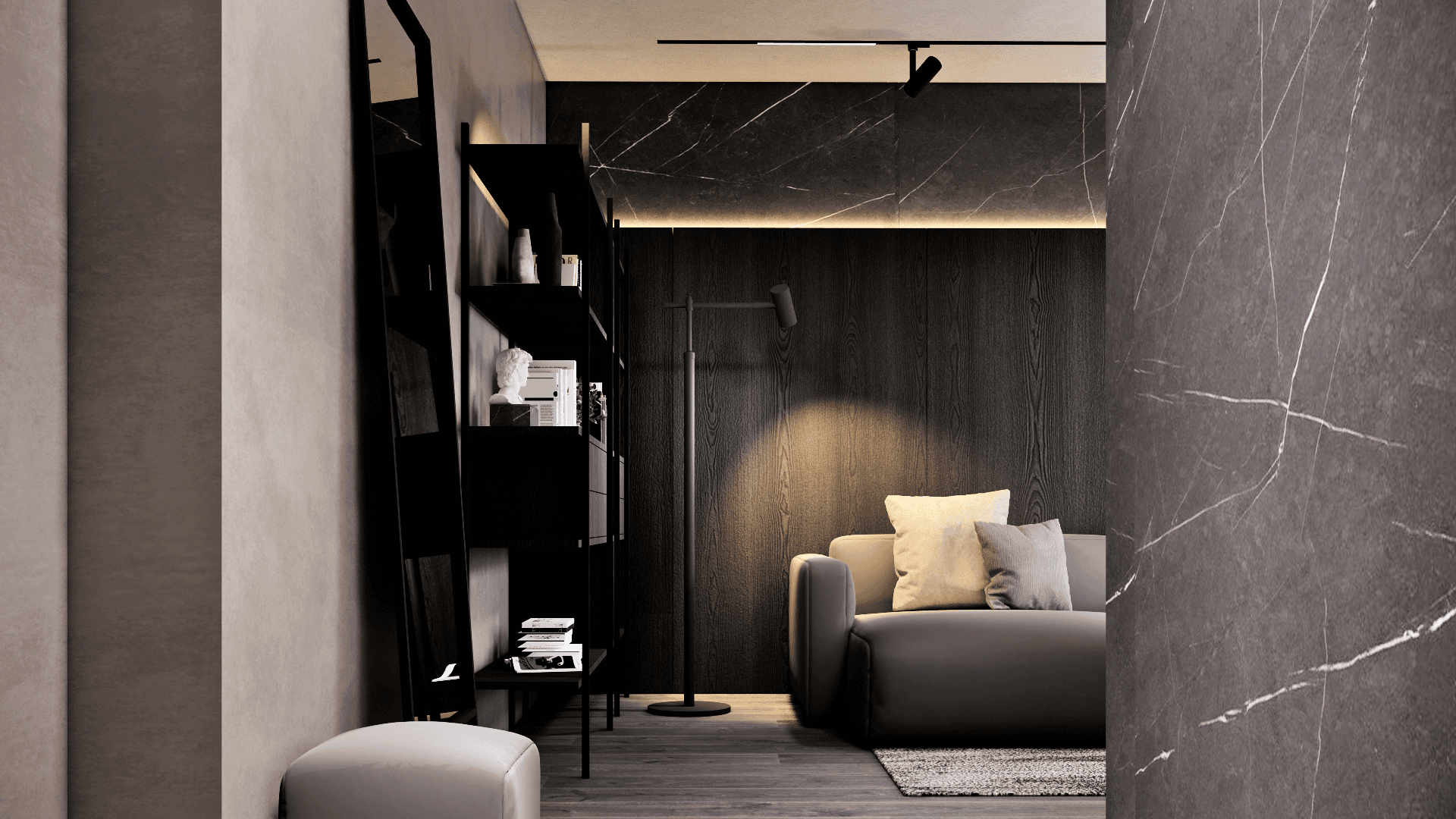
Transform Your Space With Expert Interior Design Support
If you are ready to turn your ideas into a practical, beautifully finished home or workspace, our team at Interiors by DeX is here to guide every step. As trusted interior design contractors in Chennai, we handle everything from planning and materials to execution with careful attention to detail. Share your requirements, budget and timeline with us so we can propose a tailored design solution that truly fits your life. To discuss your project or arrange a consultation, simply contact us today.
FAQs
Frequently asked questions
Find helpful answers about our services, detailed process, and bringing your vision to life.
How do I check if my 3D design is actually buildable in my flat?
Why do different interior design contractors in Chennai quote such different prices for the same 3D?
Can I use modular vendors for some rooms and a local carpenter for others?
How much time should I allow between 3D finalisation and move-in?
What should be documented before I pay the advance?