Tips
Jan 9, 2026
Planning Wardrobe Internals for Practical Chennai Living
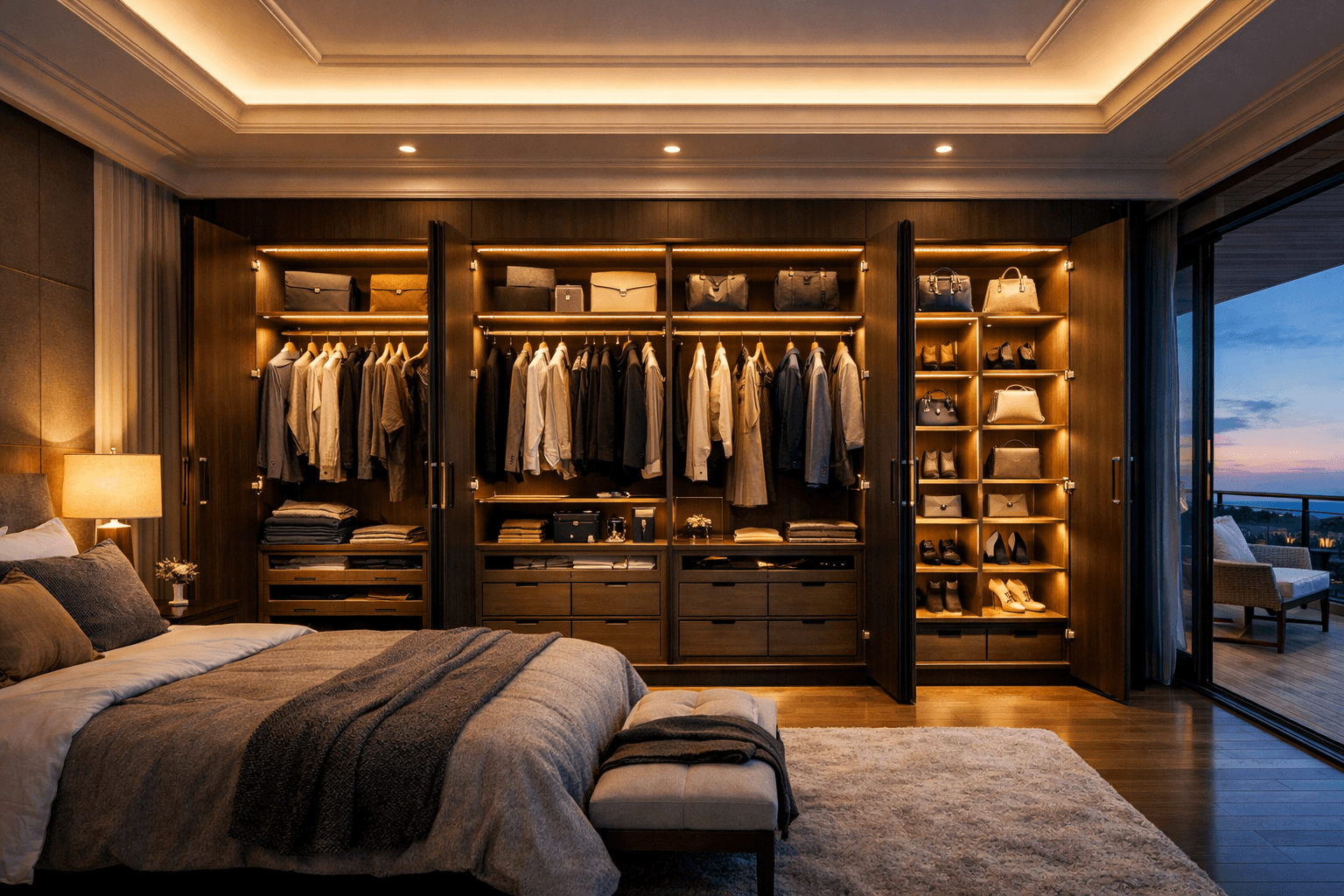
For many first-time homeowners in Chennai, wardrobes become a source of uncertainty long before they are installed. Drawings feel abstract, internal layouts are vaguely defined, and pricing for drawers, accessories and materials is often unclear. This is especially worrying for professionals along OMR and villa buyers in gated communities, who want a reliable, long-term solution rather than a trial-and-error approach.
In a warm, coastal city like Chennai, wardrobe internals directly affect how your home works day after day. Humidity, compact layouts and shared storage all come together. A wardrobe that only looks neat from the outside but is confusing inside quickly turns into a daily irritation, from rushed mornings on OMR to joint families sharing limited space.
This article focuses on practical planning for a modular wardrobe in Chennai, so you can see clearly:
- What should go where, at what height, and why
- How climate and family structure influence internals
- What a transparent, detailed proposal should show you
- How pricing choices (drawers vs shelves, accessories, finishes) actually work
We will also explain how Interiors by DeX approaches wardrobe planning with end-to-end turnkey execution, branded products, transparent pricing, and accountable after-sales support.
Understanding Users, Routines and Storage Zones
We start by understanding who will use each wardrobe and how. The mix of users decides the balance between hanging, shelves and drawers.
Typical user groups in Chennai homes:
- Couples: his and her sections to reduce daily overlap
- Kids: lower shelves and drawers they can reach themselves
- Parents or in-laws: more open shelves, fewer high or deep sections
- Live-in help: separate zones for linens, uniforms or cleaning items, where relevant
It helps to think in access zones:
- Daily-access zone: from about 900 mm to 1500 mm height, for clothes used every day
- Occasional-access zone: upper shelves and lofts, for suitcases, festival wear or spare bedding
Typical Chennai scenarios we encounter:
- IT professionals in apartments along OMR needing quick, visible access to workwear
- Villa owners with deeper wardrobes or walk-ins that allow more separation of categories
- Compact city apartments with tight passages where sliding doors are more practical
Before suggesting any internals, a careful designer should conduct a simple wardrobe audit, such as counting:
- Shirts, trousers, T-shirts, and formals
- Sarees, kurtas, ethnic sets and dupattas
- Towels, bedsheets and extra pillows
- Bags, belts, jewellery and accessories
This audit makes later pricing more transparent, because each section and accessory is directly linked to an identified need.
Heights, Sections and Indian Clothing
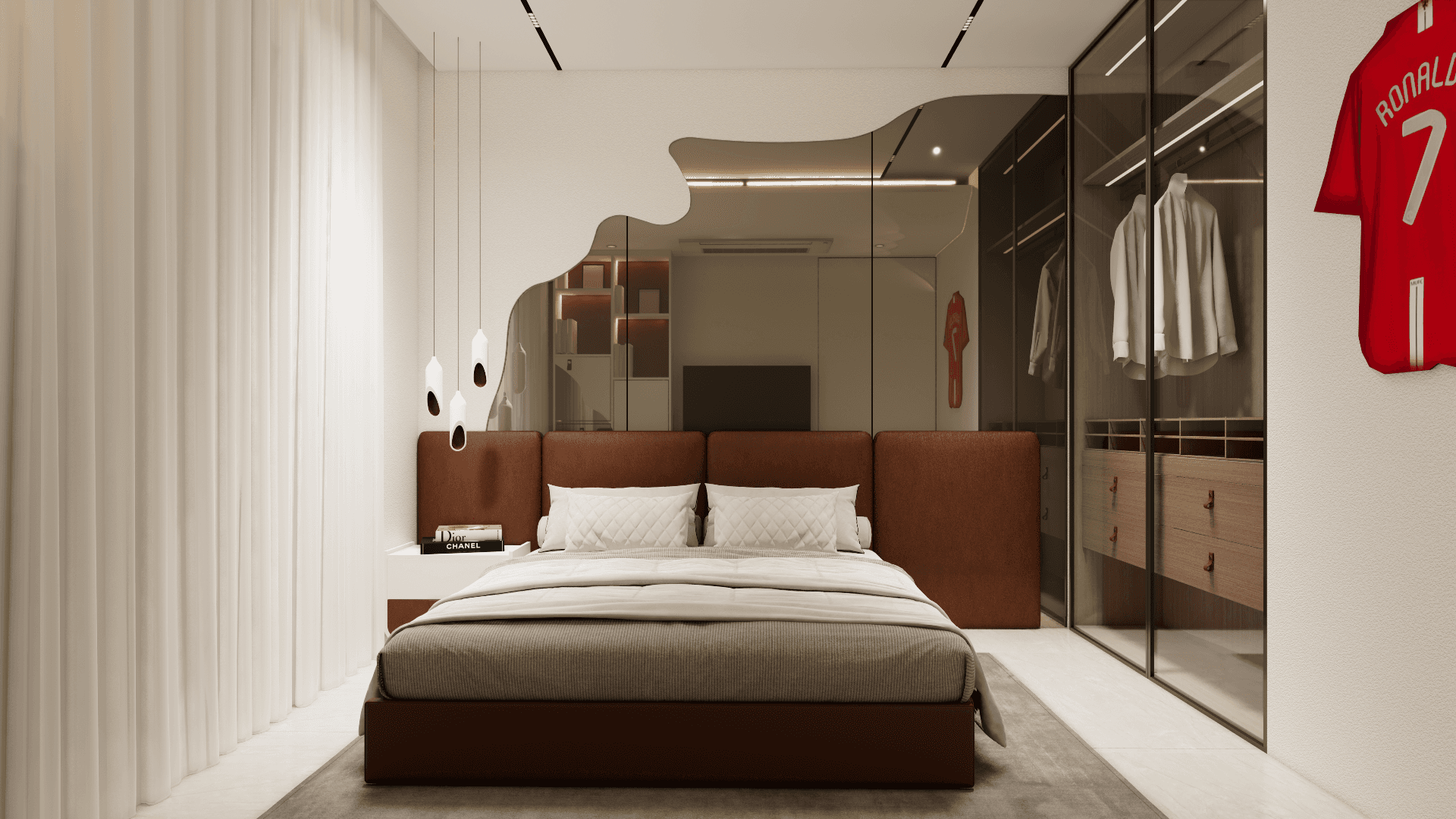
For most Chennai bedrooms, internal planning is done in height bands:
- Floor to 900 mm: lower drawers, shoe racks, kids’ access
- 900 to 1500 mm: prime zone for daily folded clothes and frequently used hanging
- 1500 to 2100 mm: second-tier hanging and less-used shelves
- Above 2100 mm: lofts for trunks, festival clothes and suitcases
Guidelines that work well in practice:
- Sarees and long kurtas: single hanging at about 1500 to 1600 mm clear height
- Shirts and tops: two-tier hanging can work if users are comfortable reaching higher rods
- Elders’ sections: minimise very high hanging; use more reachable shelves
For folded clothing, shelf spacing is important:
- T-shirts and shorts: shelves spaced around 250 to 300 mm to prevent unstable piles
- Jeans and heavy clothes: slightly taller shelves
- Kids’ clothes: shallower shelves so items do not disappear at the back
- Bed linen: deeper and taller shelves for neatly folded sets
In Chennai homes, we also often plan for:
- Space to integrate an existing steel cupboard
- Pooja-related storage in a discrete, clean part of the wardrobe
- Festival outfits and spare bedding for frequent guests
Mixing Drawers, Shelves and Hanging
Each internal type has a clear role and cost implication.
- Drawers: suitable for innerwear, accessories and valuables. They add convenience but also add to cost because of additional hardware.
- Open shelves: flexible and economical per running foot, but they need discipline to stay tidy.
- Hanging: ideal for formals, sarees and crease-prone items, but often overused, which can reduce effective storage.
A typical modular wardrobe in Chennai might be roughly balanced as:
- Working couple: more hanging for office wear, a compact drawer stack for accessories, and moderate shelves
- Family with school-going kids: more shelves and a few deep drawers, limited hanging
- Villas with dress rooms: generous hanging, separate his and her drawer stacks, and dedicated linen sections
Accessories that genuinely help, without unnecessary expense:
- Soft-close drawers for daily comfort
- Trouser racks only if you regularly wear and rotate multiple formal trousers
- Simple jewellery trays in one drawer, instead of large, expensive organisers
- Internal laundry baskets if you have house help to empty them regularly
Given Chennai’s coastal climate, it is important to use branded hardware for hinges, channels and baskets that is tested for humidity and frequent operation. This helps the wardrobe feel smooth and solid for years and supports longer warranties.
Chennai Homes, Climate and Clear Wardrobe Proposals
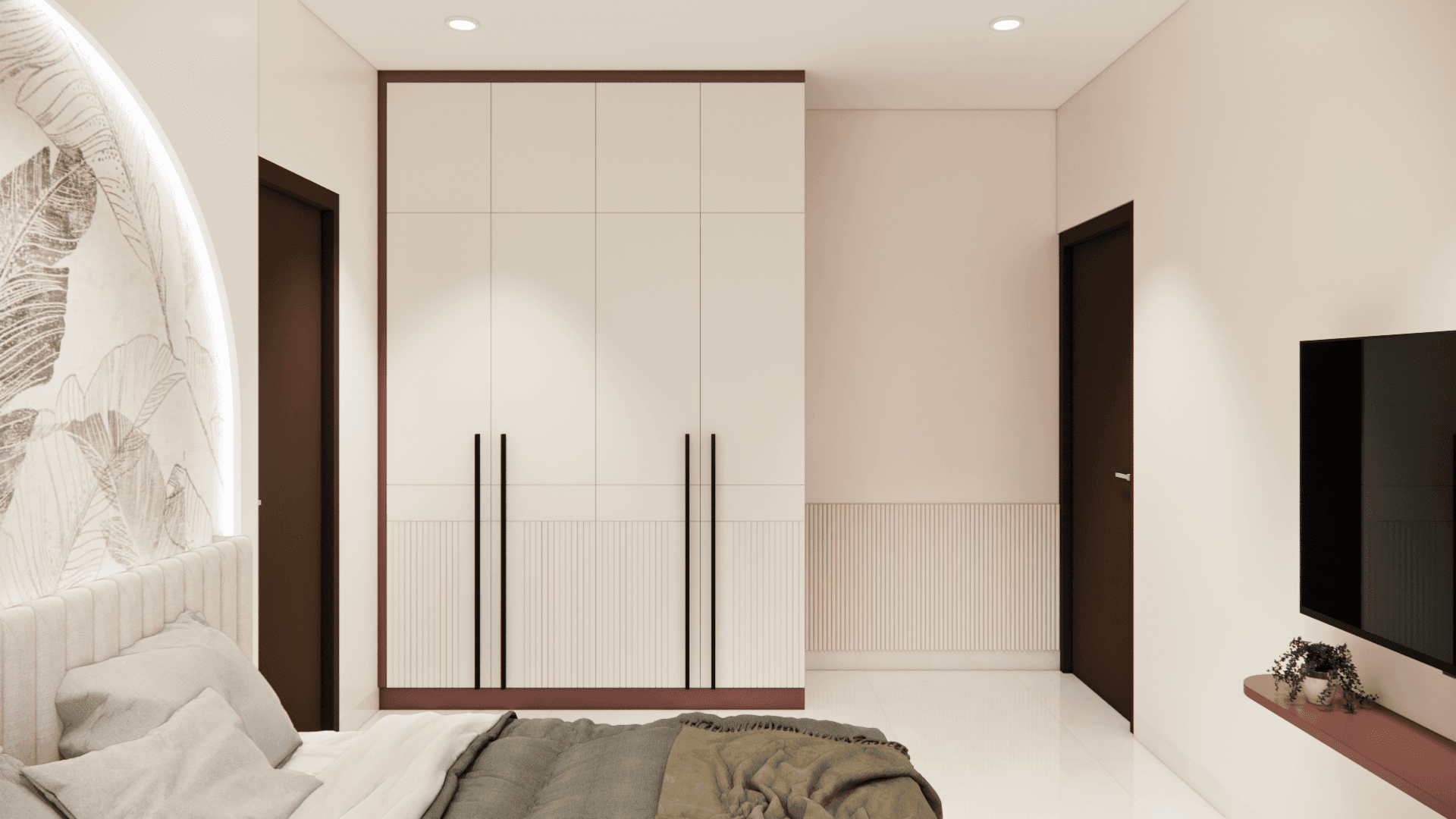
Chennai apartments often have wardrobe lengths between 4 and 7 feet, with beams or columns affecting heights. Depth is usually around 550 to 600 mm for hanging, occasionally less in compact rooms. Sliding doors suit tight corridors, while hinged doors give better internal access where space allows.
Villas and gated community homes sometimes allow:
- Walk-in wardrobes with U- or L-shaped layouts
- Corner units with internal corner shelves
- Island dressers for jewellery and accessories in larger dress areas
Ceiling height influences loft planning. Taller ceilings allow full-height wardrobes with internal loft shutters; in some cases, open lofts above shutters work better for items that are rarely used.
We also pay attention to:
- AC placement, so shutters do not clash with indoor units
- Windows and curtains, so doors do not block natural light
- Electrical points for internal LED lights or dressing mirrors
Humidity is a constant factor in Chennai. For wardrobe internals this means:
- Proper back panels to avoid direct contact with damp walls
- Small ventilation gaps so clothes can breathe
- Considering louvre shutters for specific problem areas
- Keeping internal surfaces easy to wipe and clean
For carcass and internal materials, it is safer to use branded board and laminates suited to warm, humid conditions. Rust resistance for hardware is important, and warranties on hinges and channels should be clearly explained in writing.
Transparent Wardrobe Proposals and Pricing Choices
A transparent wardrobe proposal for a Chennai home should always show you:
- Detailed drawings with section widths and heights
- Clear labels for hanging, shelves and drawers
- A bill of quantities listing shutters, internal square footage, hardware brands and finishes
Where possible, indicative pricing per running foot can be split to show the impact of internal choices. For example, for a standard 7-foot-high wardrobe in Chennai (illustrative structure only; actual values depend on brand and finish):
Configuration
What Changes
Relative Cost Impact
More shelves, fewer drawers
Open shelves in most sections, 1, 2 small drawer units
Lower, due to less hardware and labour
Balanced shelves and drawers
Mix of shelves, 1 medium drawer stack, moderate hanging
Medium; often a practical balance for 3BHK apartments
Drawer-heavy with accessories
Multiple drawers, jewellery trays, trouser racks, baskets
Higher, due to more branded hardware and accessories
Instant quotations help you compare scenarios such as:
- More drawers versus more shelves
- Basic internals versus premium accessories
- Different external finishes, without hidden extras
At Interiors by DeX, we work with branded products only and offer a 15-year warranty on modular products, with the first 5 years covered by a 100% replacement guarantee, no questions asked. Our pricing model is structured so that you can see how each internal choice affects cost, and instant quotations are provided to keep first-time homeowners in Chennai informed and comfortable with their decisions.
How Interiors by DeX Plans Wardrobes (with Chennai Examples)
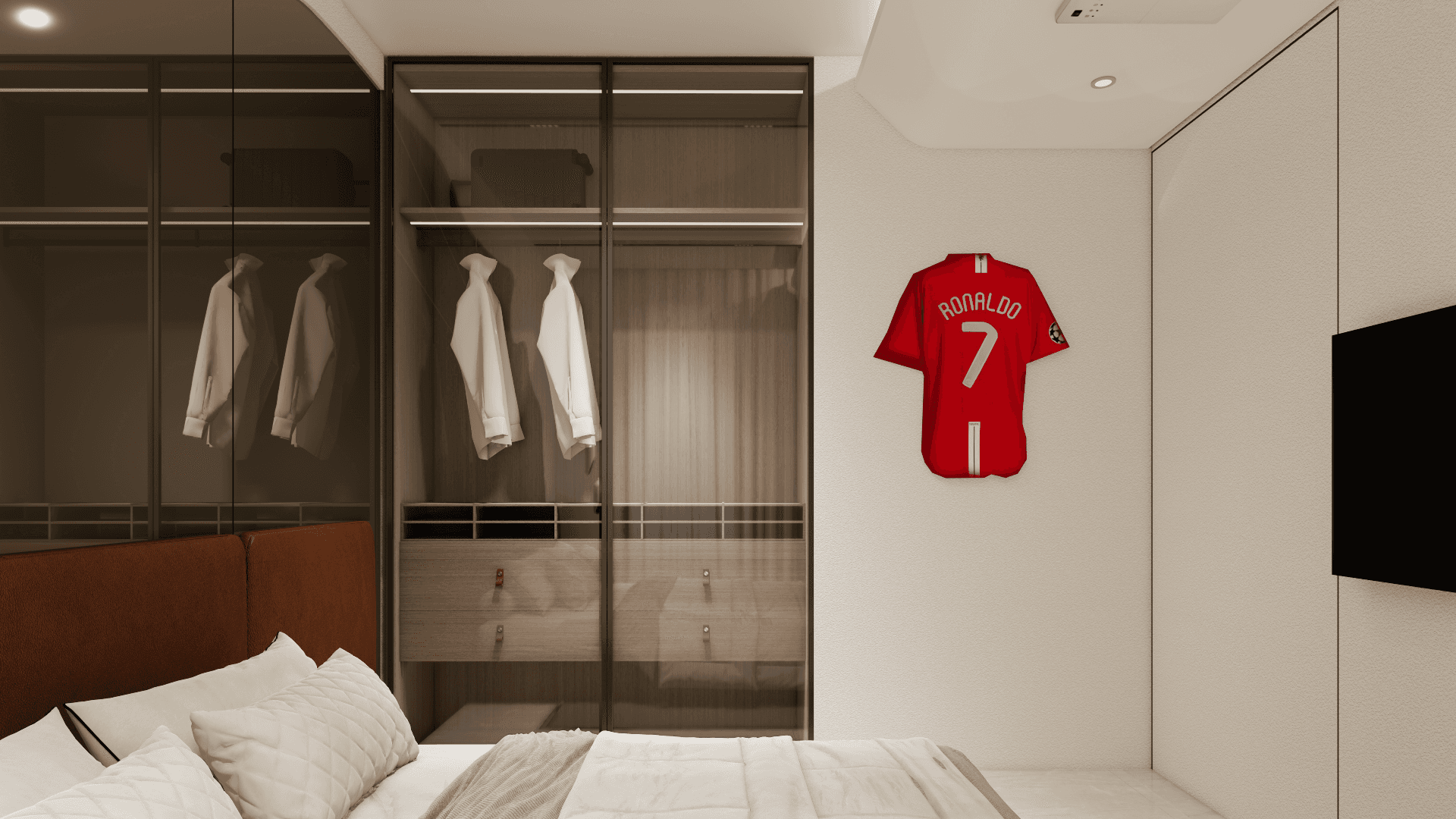
Our process is designed to reduce uncertainty rather than sell more items.
- Requirement collection and wardrobe audit of clothing types and quantities
- Layout options with internal breakdowns and clear measurements
- 3D views where relevant to visualise proportions and access
- Final sign-off on drawings, specifications and inclusions before production
This is supported by a 24-hour after-sales response for issues like loose hinges or alignment tweaks, which matters because wardrobe shutters and drawers are used several times a day.
A few Chennai-specific layout examples:
- Working couple on OMR in a 3BHK: a 7-foot wardrobe with his and her verticals, two-tier hanging for shirts and kurtas where height permits, a central drawer stack for innerwear and accessories, and a loft for suitcases and infrequently used sarees.
- Villa walk-in in a gated community: separate his and her runs, his side with more trouser and shirt hanging, her side with saree space, jewellery drawers and a linen section, plus high lofts for festival wear and spare bedding.
- Elderly parents’ room in a city apartment: more open shelves in the 900 to 1500 mm zone, a few easy-glide drawers at mid-height, very limited overhead load, and planning that avoids frequent bending or stretching.
FAQs on Modular Wardrobes in Chennai
1. Ideal Modular Wardrobe Depth and Height in Chennai Bedrooms?
For most bedrooms, a depth of 550, 600 mm works well for hanging clothes without crushing them. Overall height usually ranges from 2100 mm to full ceiling height, depending on beams and whether you want a closed loft. Taller ceilings in villas and gated communities often support full-height units with integrated lofts.
2. How Do I Choose the Right Mix of Drawers, Shelves, and Hanging?
Start with a clothing audit: count shirts, trousers, sarees, ethnic sets, kids’ clothes and linens. Prioritise daily items in the 900, 1500 mm zone. Drawers are best reserved for items that are genuinely small or private (innerwear, jewellery, accessories). Everything else can usually be planned with a combination of shelves and hanging, which is often more economical.
3. Are Sliding Door Wardrobes Better Than Hinged Wardrobes in Chennai?
Sliding doors work better in tight passages and smaller bedrooms where bed clearance is limited. Hinged doors provide better visibility and easier access to the entire section at once, which many families prefer. The choice should be made after measuring walking space and checking for beams, AC units and window positions.
4. How Chennai’s Humidity Affects Wardrobe Materials and Hardware
Humidity can lead to swelling of boards if edges are not properly sealed, and it can cause lower-quality hardware to rust or operate roughly. Using branded boards and laminates suitable for humid conditions, sealed edges, proper back panels, and rust-resistant hinges and channels significantly improves longevity.
5. What Warranty Should I Expect on Modular Wardrobes?
For modular wardrobes in Chennai, long-term warranties give peace of mind. At Interiors by DeX, modular products come with a 15-year warranty, and the first 5 years are covered by a 100% replacement guarantee, no questions asked. Hardware warranties from branded manufacturers are explained clearly in the proposal.
6. Modular Wardrobe Cost in Chennai Per Running Foot?
Costs vary by material, finish, and internal complexity. In Chennai, the main cost drivers are: number of drawers, type of hardware (standard vs soft-close branded), door type (hinged vs sliding), and external finish. A detailed, line-by-line quotation should break these out so you can see how each choice affects the final price per running foot, rather than giving a single averaged figure.
7. Can Wardrobe Internals Be Modified Later as Needs Change?
Within a modular system, certain changes are easier than others. Adding or shifting shelves is usually straightforward; changing a full hanging section into shelves may need new boards and hardware. It is worth planning future flexibility upfront, especially in kids’ rooms or guest rooms that may later be used differently.
8. How Fast Can After-Sales Issues Like Loose Hinges Be Resolved?
For a wardrobe that is used multiple times a day, timely support matters. Interiors by DeX offers a 24-hour after-sales response window for service requests such as hinge adjustments, alignment issues and hardware checks, so day-to-day use is not disrupted for long.
A Grounded Next Step for Chennai Homeowners
If you are planning a new home or a first modular wardrobe in Chennai, the practical starting point is a clear wardrobe audit and a transparent internal layout drawing with measurements. From there, it becomes easier to compare options, understand costs and decide where to spend more or less.
Whether your home is on OMR, in a gated community or in a compact city apartment, the goal is the same: a quiet, reliable wardrobe that does its job every single day, with clarity on what you are paying for and how long it will last.
Transform Your Storage With Thoughtfully Designed Wardrobes
If you are ready to upgrade your bedroom storage, we can help you plan a perfectly tailored modular wardrobe in Chennai that suits your lifestyle and space. At Interiors by DeX, we work closely with you to understand your needs, from internal layouts to finishes and fittings, so every inch works harder for you. Share a few details about your home and budget and we will guide you through practical design options, materials and timelines. To schedule a consultation or ask a quick question, simply contact us.