Tips
Jan 9, 2026
Rethinking Kitchen Renovation in Chennai’s Occupied Homes
Rethinking Kitchen Renovation in Chennai’s Occupied Homes
Kitchen renovation in Chennai feels risky for many families, especially when you plan to keep living in the flat while the work happens. You are thinking about dust in every room, workers walking in and out, no working stove for days, and a project that starts as “just the kitchen” and quietly stretches into weeks of chaos.
This feels even harder in our city’s real conditions. Compact builder kitchens along OMR, strict apartment association rules on drilling times, narrow service lifts, water supply timings, summer heat, and sticky monsoon humidity all affect how work actually happens. In this article, we want to show a calmer, more predictable way to think about kitchen renovation in Chennai, especially when the home is occupied, so the process becomes planned and transparent instead of stressful and open-ended.
Why Kitchen Renovation in Occupied Chennai Homes Feels Risky
For many families, the kitchen is the busiest room in the home. Stopping it even for a few days can feel impossible. The common fears are very real:
Dust entering bedrooms and cupboards
Noise during work-from-home calls
Delays that stretch “10 days” into “more than a month”
Contractors asking for extra money halfway through
Local factors in Chennai add more layers. In OMR and ECR apartments, kitchens are usually tight spaces with one entry, a shared utility, and small balconies. Service lifts are narrow, so material movement is slow. Associations limit drilling to certain hours, and water supply timings decide when sinks and plumbing can be tested.
Most of the pain comes from a few friction points:
Vague quotations with “as per site” notes everywhere
No clear drawing or material list before starting
No written timelines or day-wise plan
Contractors disappearing for other sites in between
When the kitchen is treated as a structured, system-driven project instead of an open-ended repair, these risks drop significantly, even when you continue to live in the flat. Clarity, documentation, and fixed processes directly reduce uncertainty.
Reading the Space You Already Live in

Before calling any designer, it helps to read your own kitchen clearly. Across Chennai, we normally see a few typical layouts:
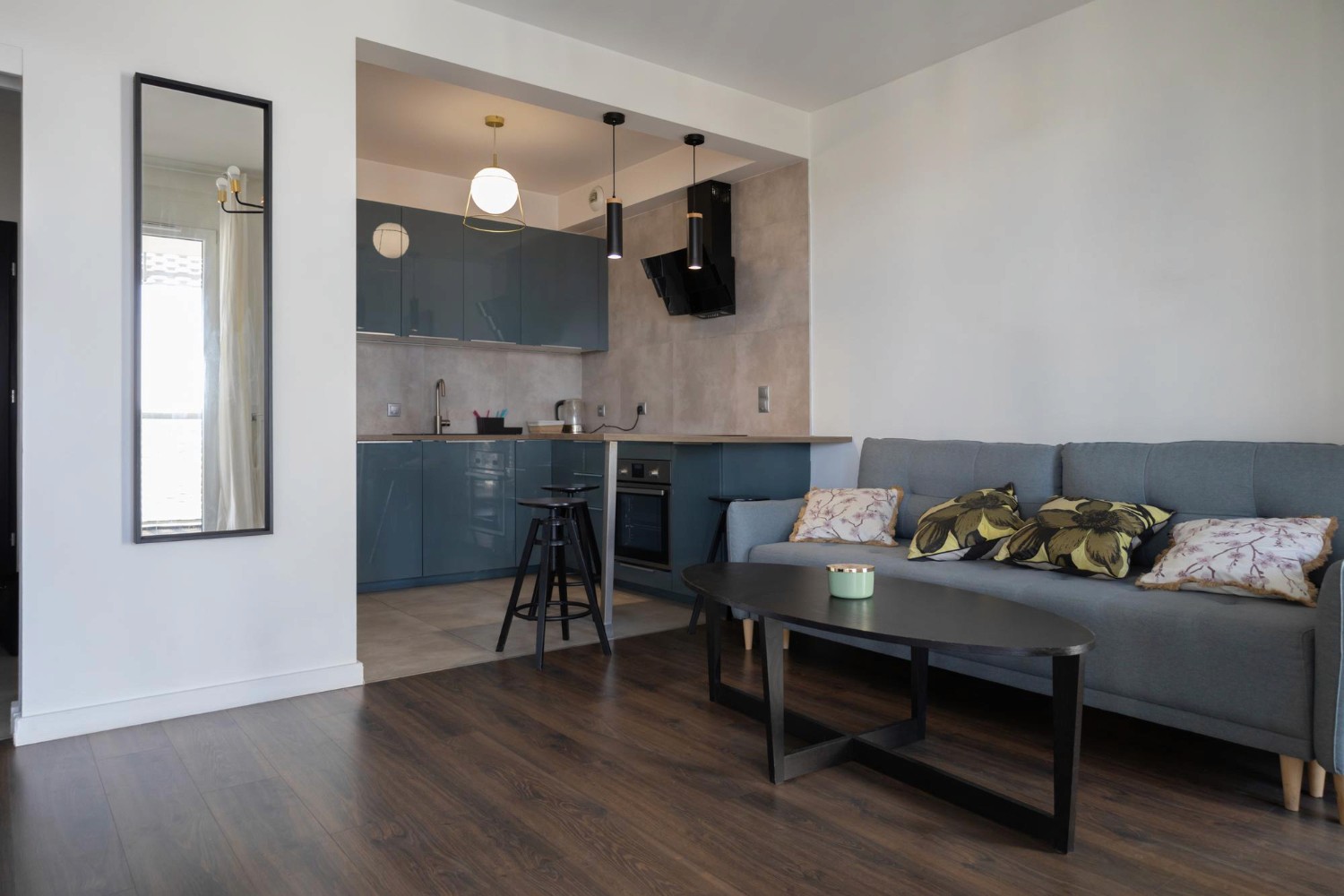
Standard 2BHK builder kitchens in places like Sholinganallur, Navalur, Perumbakkam
Open kitchens facing the living room in OMR villas and gated communities
Utility-attached kitchens in Medavakkam and similar areas
Start by listing what actually fails in your day-to-day use:
Are you always short of storage for groceries and utensils?
Is the counter too cluttered because appliances have no proper place?
Is the lighting dull near the stove or sink?
Does the kitchen feel hot and smoky during heavy masala cooking?
Then separate what is fixed from what is flexible:
Fixed: columns, beams, plumbing shafts, main sink point, window positions
Flexible: cabinets, drawers, tiles, countertop, breakfast counter, appliance positions within limits
Chennai’s climate and cooking style matter too. Many homes do tiffin prep twice a day, use oil often, and keep the gas on for long periods. That means chimney choice, hob position, and heat-resistant materials become important.
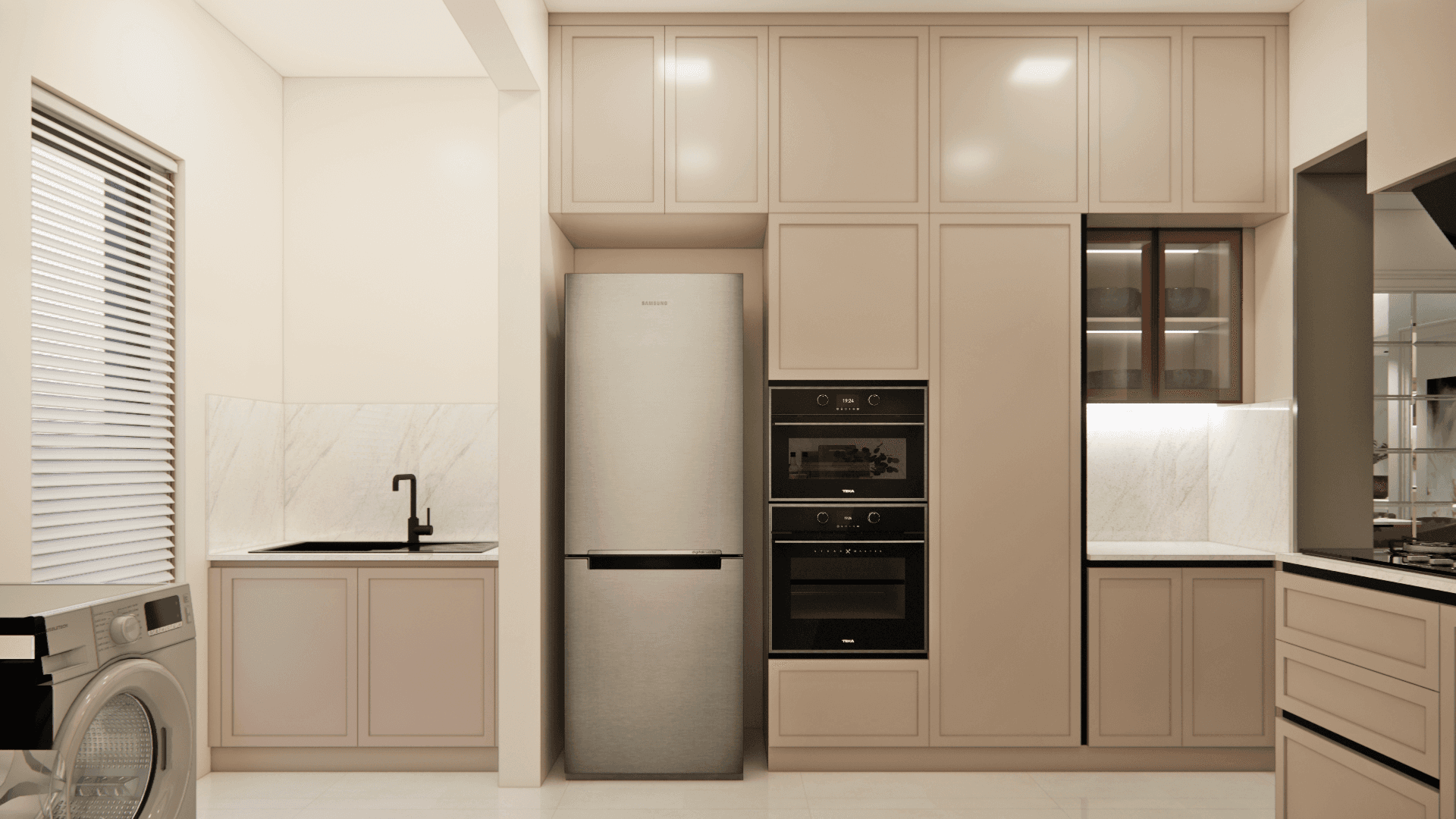
Instead of thinking only of full demolition, consider modular upgrades that replace existing cabinets and improve storage, while keeping basic civil work intact. For many occupied homes in OMR and ECR, this is the most practical option when you must keep the kitchen functional and want to avoid weeks of civil dust.
Planning Kitchen Renovation in Chennai Without Moving Out
When the home is occupied, planning is not a luxury, it is the core of the project. A simple phased framework helps:
1. Pre-work planning phase
Detailed measurements of the current kitchen
Design finalisation, including internal layouts and appliance positions
Material selection, finishes, handles, hardware (preferably branded products for predictable performance)
Clear, line-by-line quotation based on the frozen design
Getting association approvals and informing security about labour entries
Written timelines, including start and handover dates
2. Off-site fabrication phase
Most of the cutting and edge work for modular cabinets can happen in the factory. This reduces:
Dust and noise at home
Total days of disruption
Chance of surprise “on-site” changes
This is also where system-driven interiors help: once drawings, materials, and accessories are frozen, the factory follows a fixed process, reducing errors and rework.
3. Compressed on-site execution phase
Here, focus on tight, pre-planned activities:
Removal of old cabinets and counter where needed
Installation of new modular units
Countertop, backsplash, basic electrical and plumbing connections
Final alignment and cleaning
Joint inspection and written handover
Daily living needs special care. Many families set up a temporary parallel kitchen:
Simple gas stove or induction in the balcony or utility
A small table for basic cutting and preparation
Separate area for maids to work without stepping into active work zones
It is also wise to protect morning and evening cooking slots as “no-work” periods, so you always have at least two windows to cook.
Timelines must be written, realistic, and include buffer around festival days, election days, and the monsoon, when work and material movement can slow down in Chennai. Having this in writing reduces anxiety because you know what to expect.
Transparent Costs of a Live-In Kitchen Renovation
Even if we do not go into exact rupee figures here, it helps to understand how the total cost of a kitchen renovation in Chennai usually builds up, especially for occupied homes where speed and cleanliness matter.
Typical cost components:
Core modular units: base, wall, and tall units
Countertop and backsplash: material, thickness, edge details
Hardware and internal accessories: channels, hinges, baskets, corner units, pull-outs
Electrical: extra plug points, light points, wiring, MCB changes if needed
Plumbing and civil: shifting sinks, breaking old counters, core cutting for ducting
For a mid-sized OMR apartment kitchen, many families think in broad option bands like:
Option type | Typical scope (Chennai apartments) | How it affects living-in |
|---|---|---|
Basic modular upgrade | Keep original layout, branded hardware, simple shutters, minimal civil work | Shorter site time, lower dust |
Mid-range upgrade | Tall pantry unit, better internal accessories, improved task lighting | Slightly longer site time, better usability |
Premium setup | High-durability finishes for heavy cooking, better chimney, organised storage | Higher initial cost, lower long-term maintenance |
Hidden extras often appear when early planning is weak. In Chennai, typical surprise items include:
Core cutting for chimney ducting through external walls
Extra electrical load requirement for multiple appliances
Fresh plumbing lines for a shifted sink or dishwasher
Extra carcass work where walls are uneven or damp
A transparent pricing model and instant, itemised quotations tied to a clear drawing reduce these shocks. When you combine that with a 15-year warranty on modular products and a 100% replacement guarantee for the first 5 years (no questions asked), it becomes easier to think about total cost across the next decade, not just the lowest quote today.
Execution Discipline in Occupied Chennai Kitchens
Good execution in an occupied home is about discipline, accountability, and communication. A simple, day-wise plan shared in advance makes a big difference:
Which days involve heavy noise and drilling
Which days the stove will be unusable
When countertop and sink will be fixed and tested
When final cleaning and handover will happen
Dust control is another big point in compact flats. Sensible steps include:
Plastic partitions or temporary curtains to close off the kitchen
Covering furniture and beds in nearby rooms
End-of-day sweeping and basic mopping, not leaving rubble overnight
Apartment association rules on OMR and ECR are strict for a reason. Teams must follow:
Specific working hours for drilling
Rules for service lift use and protection
Visitor and labour entry logs and ID checks
Limited timings for moving heavy material
Using branded materials and a system-driven, end-to-end turnkey process helps because it reduces last-minute improvisation. The same team that does design, production, and installation stays accountable for the final result and for after-sales.
Families also feel calmer when they know that if a hinge needs tightening or a minor leak shows up after handover, someone will respond quickly. A clear after-sales structure with defined response times (for example, 24-hour after-sales service for service calls) turns small post-handover issues into simple tickets instead of fresh headaches.
Designing for Long-Term Calm, Not Just Quick Makeovers
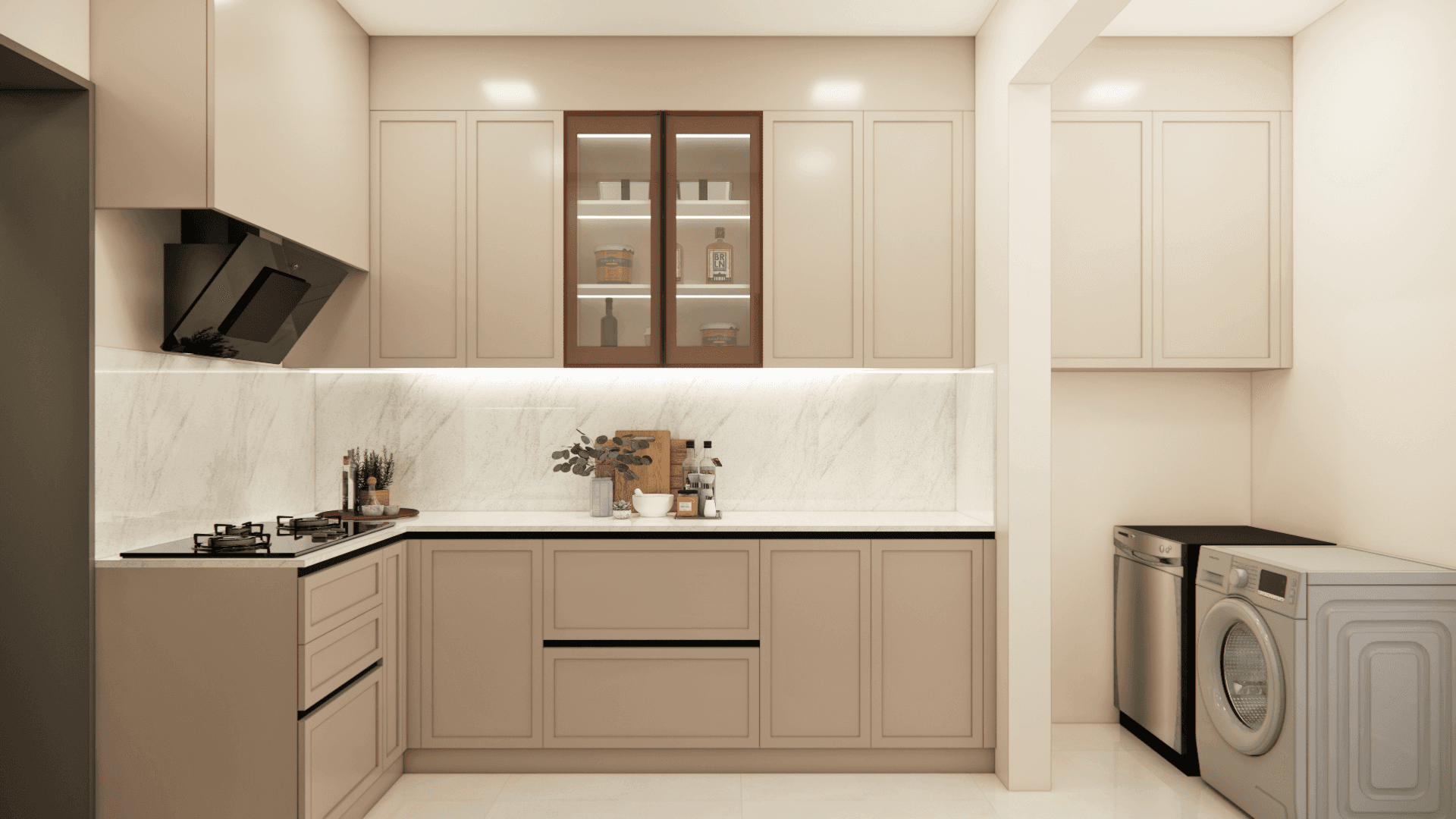
A good Chennai kitchen is not only about looking new; it is about feeling calm and low effort for many years. That means:
Picking materials that handle humidity, heat, and oil stains
Planning layouts that work for elders, kids, and staff, with safe movement paths
Giving enough closed storage so counters stay clear
Keeping proper ventilation, chimney sizing, and an open path for airflow
To reduce decision fatigue, it helps to create a simple internal system:
Standard hardware brands across the kitchen for consistency and easier service
Fixed module heights that work for your family’s average height
Planned plug points for mixer, microwave, air fryer, fridge, and water purifier
Clear zones for prep, cooking, washing, and storage
When the products are branded, warranties are straightforward (15-year coverage on modular products), and the after-sales promise is reliable (including 24-hour service response and a no-conditions 5-year replacement guarantee on modular products), the kitchen stops being a “project” you keep revisiting. For many busy IT professionals along OMR, that predictability is the real benefit, even more than a good photograph.
Calm Next Steps for Your Chennai Kitchen
If you are thinking about kitchen renovation in Chennai while living in the home, a simple four-step checklist can keep things clear:
Write down your daily pain points and what must change
Decide your budget band and your non-negotiable upgrades
Shortlist partners who give clear drawings, instant, transparent quotations, and written timelines
Confirm warranty terms, after-sales support (including response time), and scope of work in writing before anyone touches the kitchen
When renovation is treated as a structured, turnkey project with clarity, documentation, and steady communication, it stops feeling like a risky gamble.
At Interiors by DeX in Chennai, our focus is on this calm, system-based way of working. We use only branded products, follow a transparent pricing model with instant quotations, and take end-to-end responsibility from design to handover. Our modular products come with a 15-year warranty and a no-conditions 5-year 100% replacement guarantee, supported by 24-hour after-sales service. The goal is simple: premium interiors with as little uncertainty as possible, so occupied-home kitchen renovation feels far more predictable and far less stressful for Chennai homeowners.
Transform Your Chennai Kitchen Into A Stylish, Practical Space
If you are ready to upgrade your cooking space into something more functional, beautiful and tailored to your lifestyle, Interiors by DeX is here to help. Explore how our expert designers handle every detail of your kitchen renovation in Chennai, from layout planning to final finishes. Share your requirements and schedule a consultation when you contact us so we can start planning a kitchen that truly works for you.
FAQs
Frequently asked questions
Find helpful answers about our services, detailed process, and bringing your vision to life.
1. How Many Days Does an Occupied-Home Kitchen Reno Take in Chennai?
2. Can We Keep Using the Kitchen During Renovation?
3. Is It Necessary to Change the Layout for Better Storage?
4. How Do I Avoid Cost Overruns?
5. What Kind of Warranty Should I Look for in a Modular Kitchen?