Tips
Jan 9, 2026
Quiet Interior Renovations in Chennai’s Occupied Apartments

Quiet Interior Renovations in Chennai’s Occupied Apartments
Apartment renovation in Chennai often starts with one simple thought: you want better interiors, but you do not want your whole life turned upside down. The worries are real, especially in a lived-in flat. Noise, dust, strict building rules, sensitive neighbours, and the fear that workers will be in your space for weeks all create stress.
We work inside occupied homes every day, so we know that “just renovate and stay somewhere else” is not possible for many families. Here, the focus is on how quiet, low-disruption renovation can be planned and executed in real Chennai apartment conditions, while you still live at home.
How Chennai Apartments Really Work Day to Day
Chennai apartments are not all the same. Older blocks in areas like Alwarpet or Adyar often have thinner walls, smaller lifts and looser original planning. Newer high-rises on OMR or in Sholinganallur come with more rules, more neighbours per floor and more controlled access.
Daily life adds its own limits inside the flat:
Working professionals on calls at home
Elderly parents resting in the afternoon
Young children who need quiet study or nap time
House help moving in and out through the day
Add to that the building systems: limited parking for contractor vehicles, fixed timings for water tankers, generator backup that may not support heavy tools for long, and tight slots for using service lifts. The same scope of work behaves very differently in a 15-year-old Porur apartment compared with a fresh high-rise elsewhere in the city.
Because of this, one-size advice rarely works. Any sensible renovation plan has to respect both your family pattern and your building’s pattern, or it will become noisy, delayed and tense for everyone involved.
Simple Scope Framework: How Much to Renovate While Living There
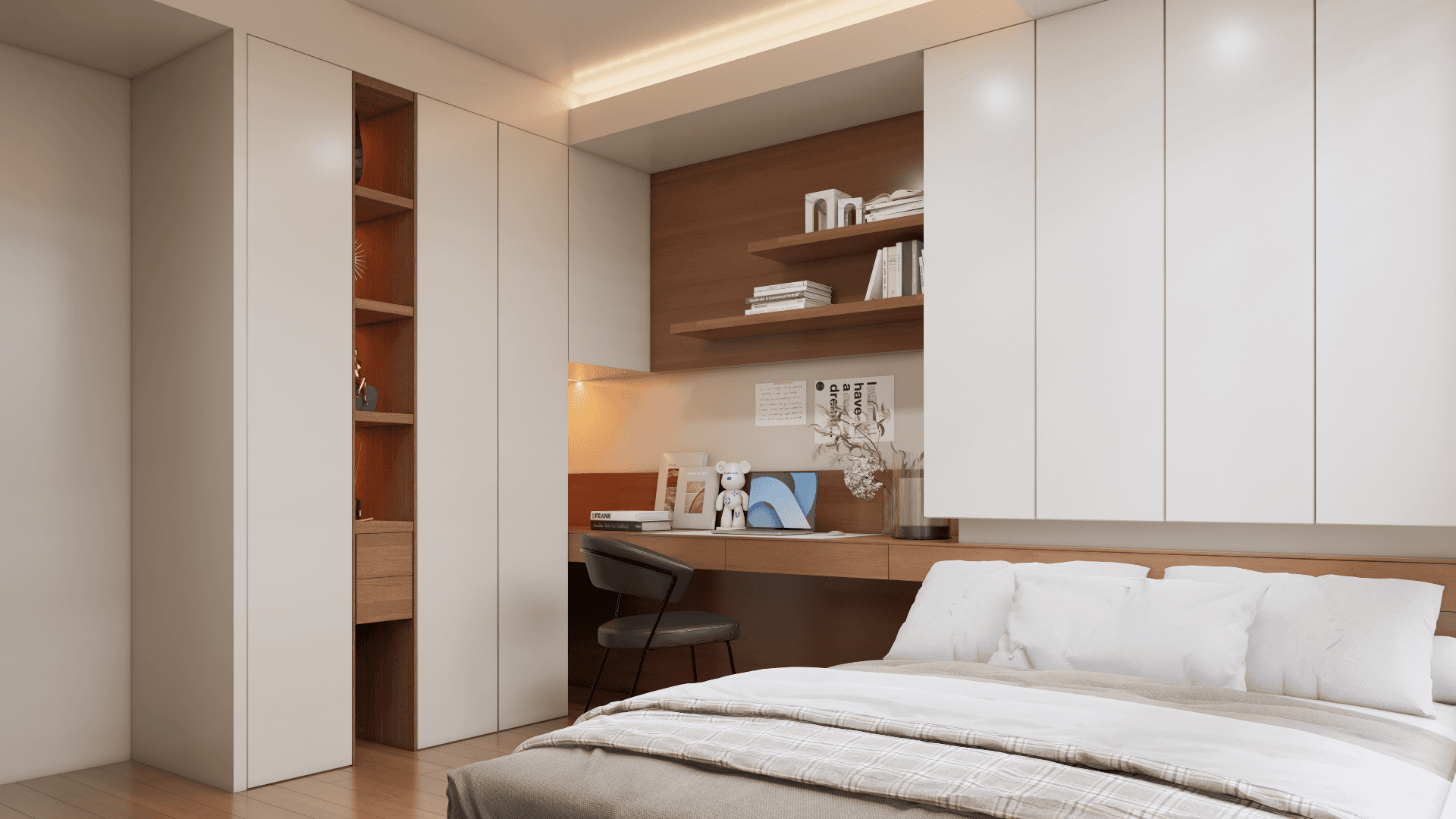
Before tools and timing, it helps to map the scope clearly. You can think of it in three broad categories:
Soft changes: painting, new lights, curtains, loose furniture, small decor
Surface upgrades: new wardrobe shutters, kitchen fronts, handles, bathroom fittings, wall panelling
Structural-impact changes: breaking or shifting walls, major plumbing line changes, full electrical rewiring
In an occupied apartment, soft changes and many surface upgrades are usually feasible with limited disturbance, if they are planned room by room. Structural-impact work is different. It creates more noise, dust and service shutdowns, especially for bathrooms and kitchens.
You can use a 3-point decision framework before finalising scope:
Impact on Daily Routines: Can you cook, bathe and sleep comfortably during each phase?
Impact on Building Systems: Are you touching common drain stacks or risers that affect neighbours?
Impact on Neighbours: How much drilling, chiselling or corridor usage will this create?
If the plan touches all bedrooms at once, breaks heavy walls or shuts down the main kitchen for long, a short temporary move-out or very careful phasing is usually wiser.
Quiet Methods, Smart Timing and Seasonal Planning
Once the scope is clear, the method makes a big difference to how “loud” the renovation feels.
For demolition and cutting, quieter approaches include:
Low-vibration tools instead of constant hand chiselling where possible
Off-site cutting of boards, shutters and panels instead of full carpentry on the balcony
Pre-cut modular components that only need fixing and minor adjustments on site
Inside the flat, simple controls help keep the home livable:
Plastic partitions or zipper doors to isolate work zones
Door seals and tape at the main door to stop dust from entering corridors
Floor protection and corner guards in common areas
Fixed routes for debris, ideally using the service lift or one staircase, not all corridors
Sequencing is just as important as the tools. Noisy work like drilling, core cutting and tile removal can be clustered into short, predictable windows on weekday late mornings, when many residents are out. Quieter work like painting touch-ups, hardware fitting and cleaning can happen earlier or later in the day.
Apartment renovation in Chennai also has to follow season and building rules. Many RWAs and builders set:
Working hours, often avoiding early mornings, late evenings and Sundays
Rules for lift use, including covers and timing
Deposits for material movement and penalties for dirty corridors
Restrictions on structural changes or balcony enclosures
Climate and the calendar matter too. The pre-summer window is usually good for painting and carpentry, with faster drying times and fewer weather delays. During monsoon, you need covered storage of materials and more care in moving boards and panels. Tool usage may also need to match generator limits on days with power cuts.
An experienced team will push as much work as possible off-site, so on-site time is compressed into well-planned phases that avoid exam dates, major festivals and known community events.
Life at Home While Work Happens Around You
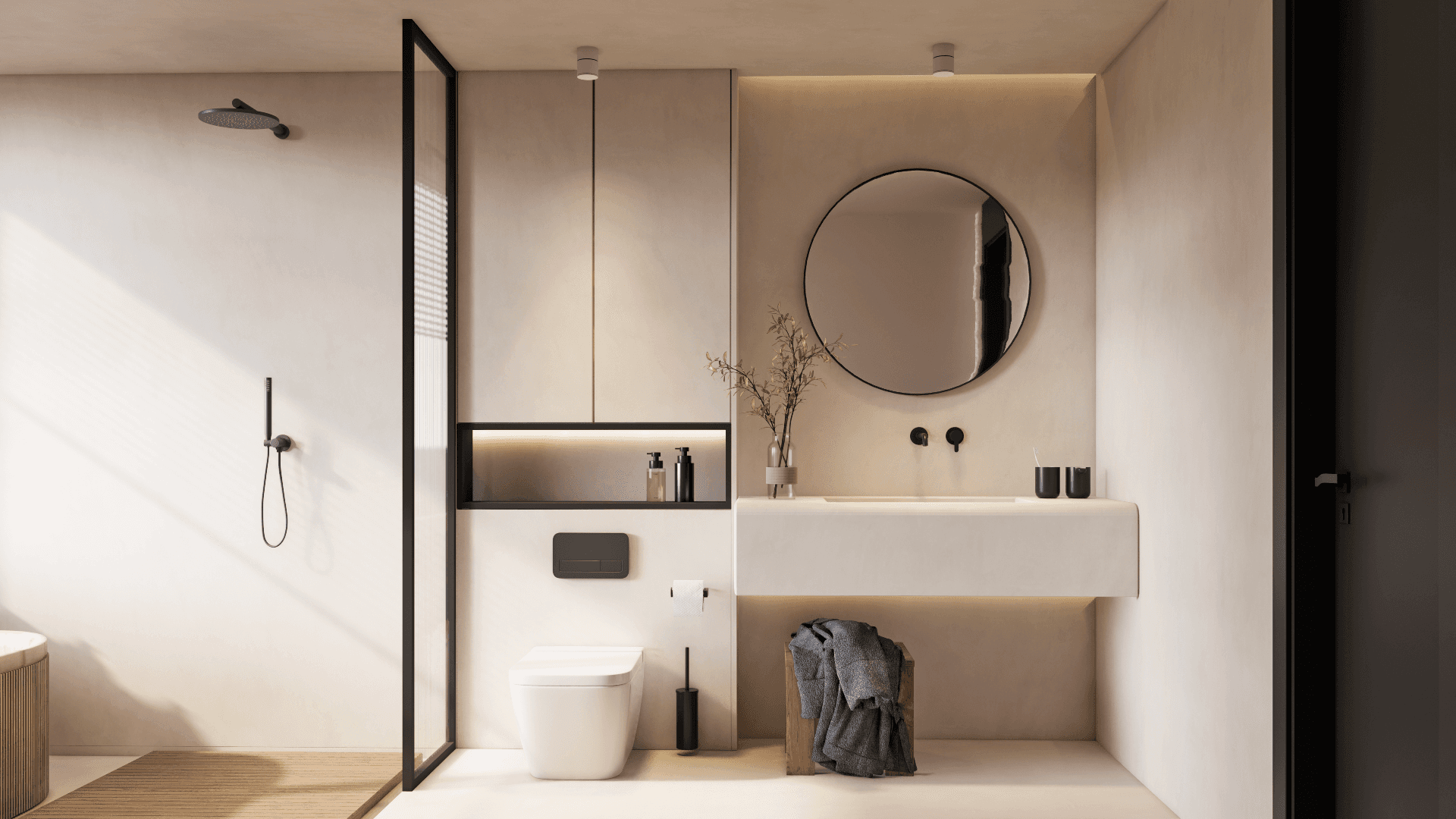
Staying in the flat means the work plan has to be designed around your family rhythm instead of forcing you to adjust to the site. It usually begins by mapping:
Office timings, especially calls and meeting-heavy slots
Children’s study hours and online classes
Nap or rest times for elders
House help schedules for cooking and cleaning
From there, you can plan practical adjustments such as a temporary mini kitchen in the utility or dining area while the main kitchen is upgraded, shifting one bedroom’s use for a week or two, or timing the loudest work for hours when key family members are out.
A simple readiness checklist for each room keeps things smooth:
Move out loose items, open shelves, clothes and decor before work starts
Cover or shift sensitive items like electronics, heirlooms and books
Decide clear rules for workers: which bathroom they may use, shoe policy, access routes and where they can and cannot sit or keep tools
Clear communication with workers through a supervisor, and simple written rules in the flat, go a long way in keeping the experience calm.
Costs, Checklists and Choosing the Right Partner
Organised checklists help occupied renovations run quietly instead of chaotically.
Pre-Renovation Checklist:
Get RWA approvals, lift bookings and security gate passes in writing
Confirm working hours and penalties for overruns
Identify a material staging area inside the flat, like a balcony, utility or spare room
During Execution Checklist:
Set daily cleanup expectations inside the home and in common areas
Fix a debris removal schedule that does not disturb peak lift usage
Ask for end-of-day status photos and the next-day plan so the family can prepare
Post-Completion Checklist:
Walk through and create a snag list of minor fixes
Plan a final deep cleaning scope
Collect warranties and basic material information for future maintenance
Typical Cost Drivers in Occupied Chennai Apartments

Costs vary by building type, scope and material choices, but some patterns are consistent when work happens in an occupied flat. The table below shows how certain factors usually affect budgets in Chennai apartments:
Work Aspect | Occupied Apartment Impact |
|---|---|
Protection materials (floors, doors, lifts) | Higher, more layers and frequent replacement to keep spaces usable |
Demolition and cutting | Higher, preference for low-vibration tools and controlled, slower removal |
Off-site modular fabrication | Often higher factory cost, but reduces on-site time, dust and noise |
Labour scheduling | Higher, restricted building timings and phased work increase total days |
Supervision and coordination | Higher, more time spent with RWAs, neighbours and daily planning around your routine |
In broad terms, a like-for-like scope in an occupied flat can work out somewhat higher than in a completely vacant unit because of these controls. For a first conversation with any interior partner, it helps to ask them to separate:
Core execution costs (materials, labour, modular work)
Protection and cleanup costs
Supervision / project management costs
This makes it easier to see where quiet, low-disruption methods are adding value.
When you choose a partner, look for comfort with modular and off-site solutions, clear experience with occupied apartment work in Chennai and a structured process of drawings, schedules and communication. A calm, documented approach usually matters more than the lowest initial quote for families living through the work.
Transform Your Chennai Apartment Into A Space You Truly Love
If you are ready to reimagine your home, our team at Interiors by DeX can guide you through every stage of your apartment renovation in Chennai. We focus on thoughtful planning, practical layouts and finishes that suit your lifestyle, so the result feels both elegant and easy to live with. Share your ideas, budget and timeline with us via our contact us page and we will help you turn your apartment into a space that works beautifully for you.
FAQs
Frequently asked questions
Find helpful answers about our services, detailed process, and bringing your vision to life.
How Much Renovation Can We Do Without Moving Out?
How Long Does a Typical Occupied 2BHK Renovation Take?
Can Building Associations Stop or Delay Our Renovation?
Is Modular Always Better for Occupied Apartments?
How Do You Keep Neighbours Comfortable During Renovation?