Tips
Jan 9, 2026
Value Engineering for Chennai Homes: Spend Smart, Simplify Right

Why Chennai Homeowners Feel Interiors Have Become a Puzzle
Home construction in Chennai has become surprisingly straightforward compared to doing the interiors. Booking an apartment in OMR or a villa off ECR is often one clean process with standard packages, clear dates, and fixed payments. The moment interiors start, many homeowners feel they are stepping into a fog of changing quotes, material jargon and endless choices.
We hear the same three stress points again and again. Pricing is unclear, there is a constant fear of being overcharged and it is hard to distinguish between genuinely premium work and plain overspending. When you are already juggling work, family and handover dates, this can be exhausting.
This is where value engineering comes in. Not as code for cheap work, but as a method to align every rupee with how you actually live in your Chennai home, in this climate and in your daily routine. Seasoned interior designers in Chennai approach this differently from individual carpenters or purely budget vendors, because we think in systems, warranties and long-term use, not just one-time installation.
In this article, we will share a practical framework to help you decide where to spend confidently, where to simplify without regret and how a system-driven, turnkey interior process can cut decision fatigue and uncertainty.
Spend vs Simplify Framework for Key Rooms in Chennai Homes
Let us apply this to the main spaces in most Chennai apartments, villas and gated community homes.
Kitchen first, because it carries the highest impact.
Spend in the kitchen on:
Branded hardware, channels and hinges that will survive daily use and humidity.
Waterproof carcass materials, especially near the sink and hob.
A reliable chimney and hob suited to Indian cooking.
Proper under-sink protection and planned water points.
Corner units only if you will genuinely use them.
Modular systems backed by long warranties and written replacement terms.
Simplify in the kitchen on:
Exotic imported finishes that add cost but not function.
Too many internal accessories that look exciting but remain unused.
Over-complicated lofts that are impossible to reach safely.
Open shelves that quickly gather dust in Chennai’s air.
In the living and dining area, value shows up differently.
Spend in living and dining on:
Sofa comfort and size, because this is where you unwind daily.
TV unit wiring and concealment to avoid messy cables later.
Ambient and task lighting that works for both guests and everyday use.
Key storage like shoe units and crockery units.
Good quality wall preparation and paint that handles humidity better.
Simplify in living and dining on:
Very heavy wall panelling that eats into space and budget.
Intricate false ceilings with multiple cut-outs and hidden corners.
Over-designed feature walls that can date quickly.
Bedrooms and wardrobes are all about daily use and calm.
Spend in bedrooms and wardrobes on:
Wardrobe internals that match your clothes and storage habits.
Branded hardware and shutters that can handle humidity and constant opening.
Practical study or work desks with proper cable management and lighting.
Simplify in bedrooms on:
Bulky headboards that dominate the room but do little.
Too many mirrors that are hard to maintain.
Complex laminate combinations that add cost without adding comfort.
In bathrooms and utilities, long-term issues are usually moisture related.
Spend in bathrooms and utility on:
Branded fittings that are easier to service or replace.
Proper waterproofing to avoid leakage disputes later.
Closed storage for detergents and cleaning products.
Ventilation solutions that actually get used.
Simplify in bathrooms on:
Extra glass partitions that add cleaning effort.
Niche lighting or purely decorative elements that rarely get used.
How Transparent Pricing Makes Value Engineering Possible
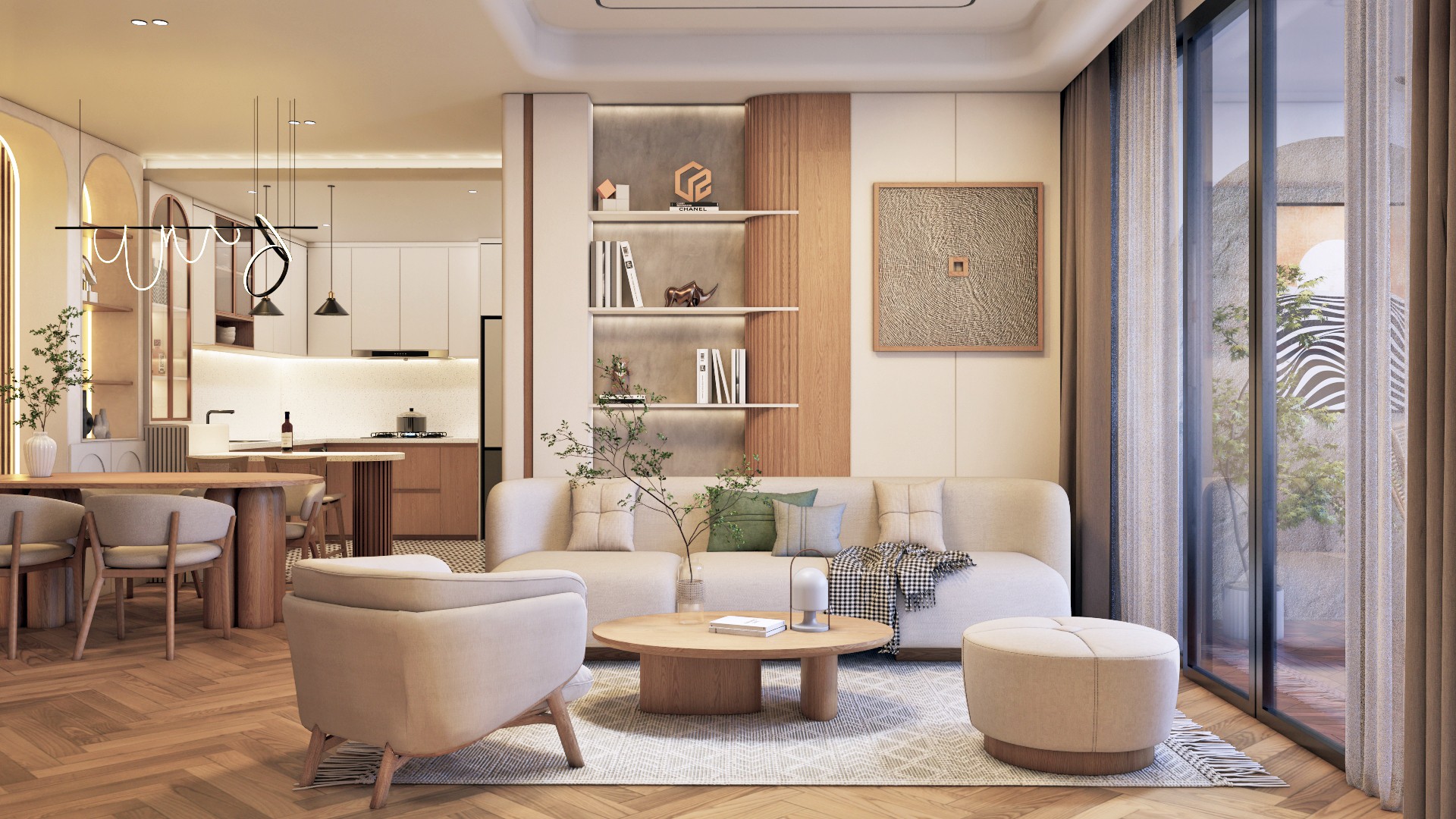
One reason homeowners feel lost with interiors is the way many quotations are presented. A single lump-sum number, vague material descriptions or broad “packages” make it impossible to see where your money is going.
Transparent pricing with a clear Bill of Quantities changes this. When you can see separate line items for carcass materials, shutters, hardware, finishes, accessories, labour and site work, it becomes easier to decide what to upgrade and what to keep basic.
For example, consider a conceptual comparison for a kitchen:
Option A, value-engineered premium: branded modular carcass, reliable hardware, mid-range finish, only necessary accessories, clear 15-year modular warranty.
Option B, visually heavy: very glossy finish, minimal hardware quality, non-branded boards, extra open shelves, unclear warranty terms.
Even without exact prices, a structured table like this helps you see that visual drama can sometimes hide structural compromises.
Instant quotations and standardised rate cards are particularly helpful for first-time buyers in OMR or gated communities, because they let you benchmark costs quickly without spending weekends meeting multiple vendors. Established interior designers in Chennai who work only with branded products, documented warranties and no hidden clauses make it easier to link cost to long-term value.
Warranties, Timelines and After-Sales: Where Value Shows up Later
The real test of value does not happen in the first month. It shows up after three to five years, when shutters may start sagging, edge bands may peel or laminate might swell if the right materials and detailing were not used. Another stress point is when service teams do not respond and every vendor starts blaming the other.
This is why we place so much importance on warranties and service commitments:
A clear 15-year warranty on modular products gives you long-term confidence.
A written 100% replacement guarantee for the first five years, with no hidden clauses, de-risks your decisions in the early years of ownership.
Defined response times for service, for example attending after-sales issues within 24 hours, matter in a humid city where minor leaks can quickly become bigger problems.
Timelines are also part of value engineering. Phased execution, structured site updates and defined handover dates reduce the mental load of living around workmen. When design, production, installation and after-sales sit under one accountable turnkey team, there is less scope for blame-shifting between designer, factory and carpenter, and far fewer surprises on site.
A Practical Checklist to Decide Spend vs Simplify
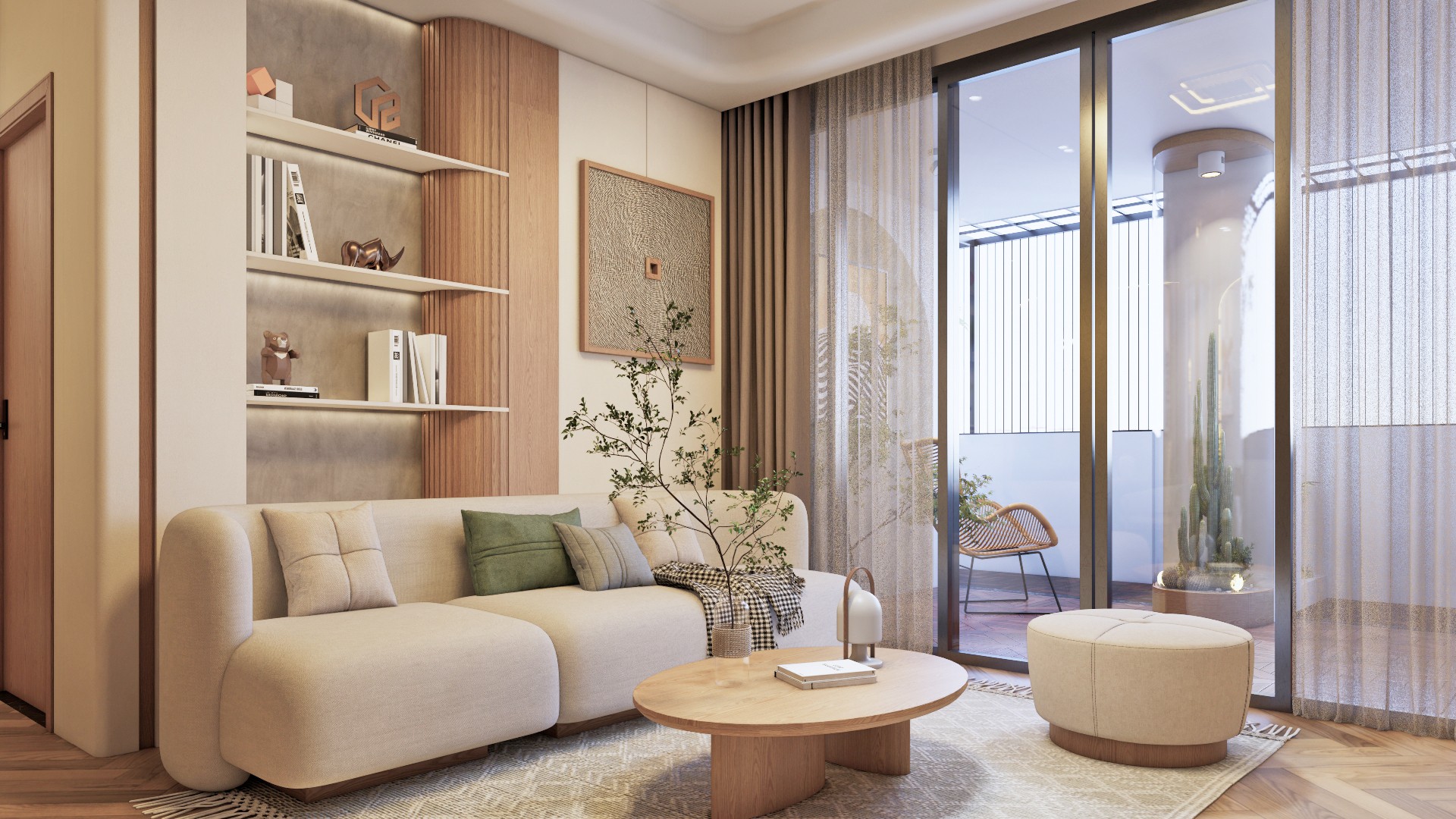
To keep decisions simple, we suggest using this quick filter for every major item in your home:
Daily-use + hard to replace later (kitchen carcass, concealed wiring, wardrobe hardware) → Spend.
Daily-use + easy to replace (loose dining chairs, curtains) → Balanced.
Rarely used + mostly visual (secondary feature walls, decorative niches) → Simplify.
When you meet interior designers in Chennai, you can bring a short discussion checklist:
Can I see a cost breakdown by room and material?
Which items carry 15-year modular warranties and what is covered?
What is the process if something fails in the first five years?
How quickly does your team usually respond to service calls?
Which brands and materials are you proposing, and why these instead of cheaper options?
It also helps to ask for two versions of the same design:
A full-spec version with everything you initially requested.
A value-engineered version that achieves the same core function with smarter material and accessory choices.
Clear drawings, detailed BOQs and physical or digital sample boards will reduce last-minute changes, which are usually what inflate costs and delay timelines.
Choosing an Interior Partner Who Respects Your Money and Time
Value engineering is not about being cheap. It is about clarity, long-term thinking and respect for how your family will actually live in your Chennai home. The right partner will talk as much about structure, warranties and service as about colours and styling.
When you evaluate interior designers in Chennai, especially for apartments, villas and gated community homes, look for:
Transparent pricing and quick, clearly structured quotations.
Use of branded products only, with documented 15-year modular warranties.
Written, no-hidden-clause terms for the first five-year replacement coverage.
Defined timelines and a system-driven, end-to-end execution process.
Reliable after-sales support, ideally with responses committed within 24 hours.
A calm way to start is to pick one key space, often the kitchen, and request a value-engineered proposal. Compare not just the final price across firms, but also the material choices, warranty terms, pricing clarity and after-sales promises. Over the life of your home, these are the decisions that turn interiors from a stressful puzzle into a quietly reliable part of your everyday life.
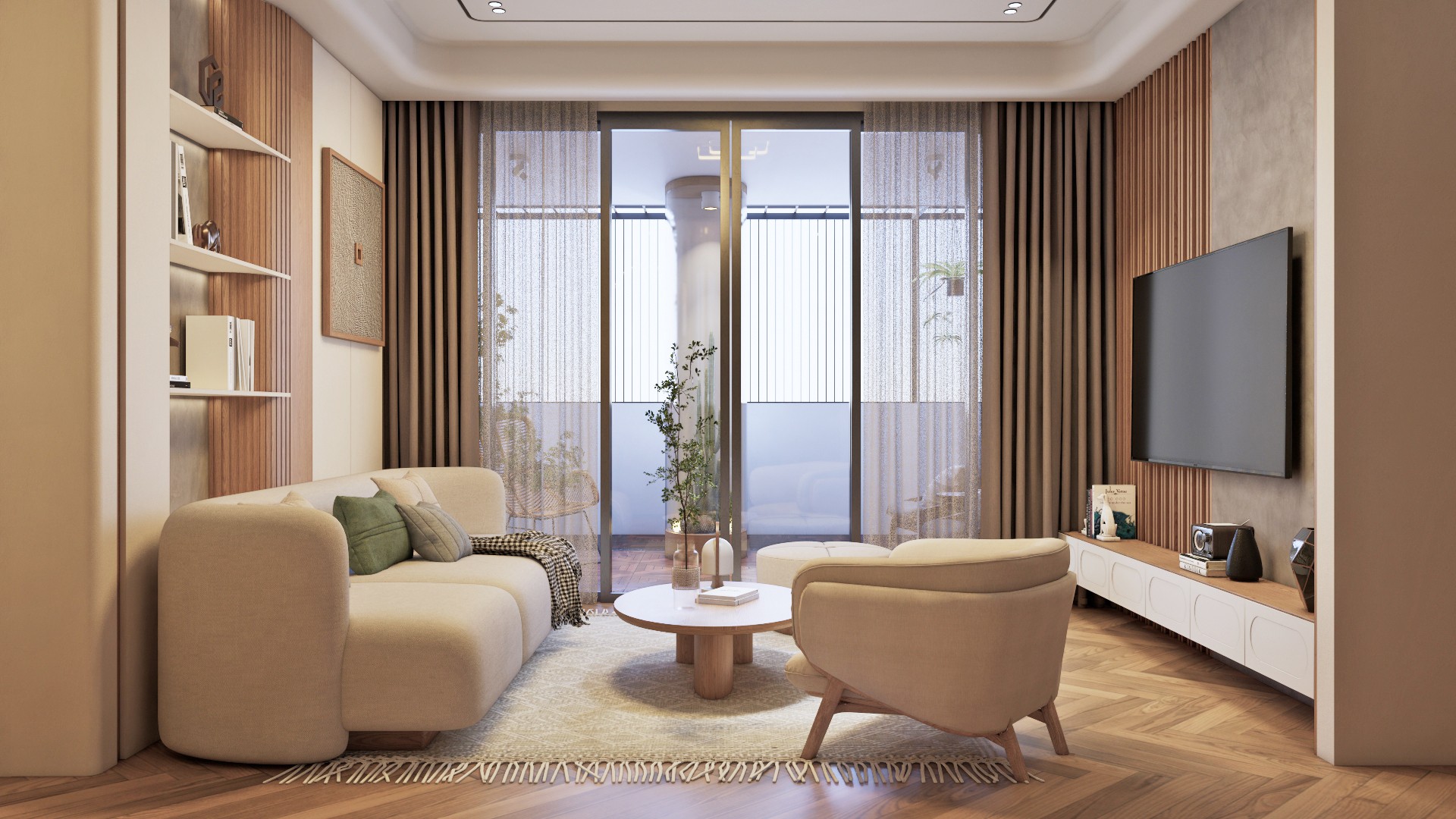
Transform Your Chennai Home With Thoughtful, Personalised Design
If you are ready to turn your space into a home that truly reflects you, our team of experienced interior designers in Chennai can guide you from first concept to final finish. At Interiors by DeX, we take the time to understand your lifestyle, budget and style preferences so every detail works beautifully for you. Share a few details about your project and we will respond with ideas and clear next steps, or simply contact us to schedule a consultation.