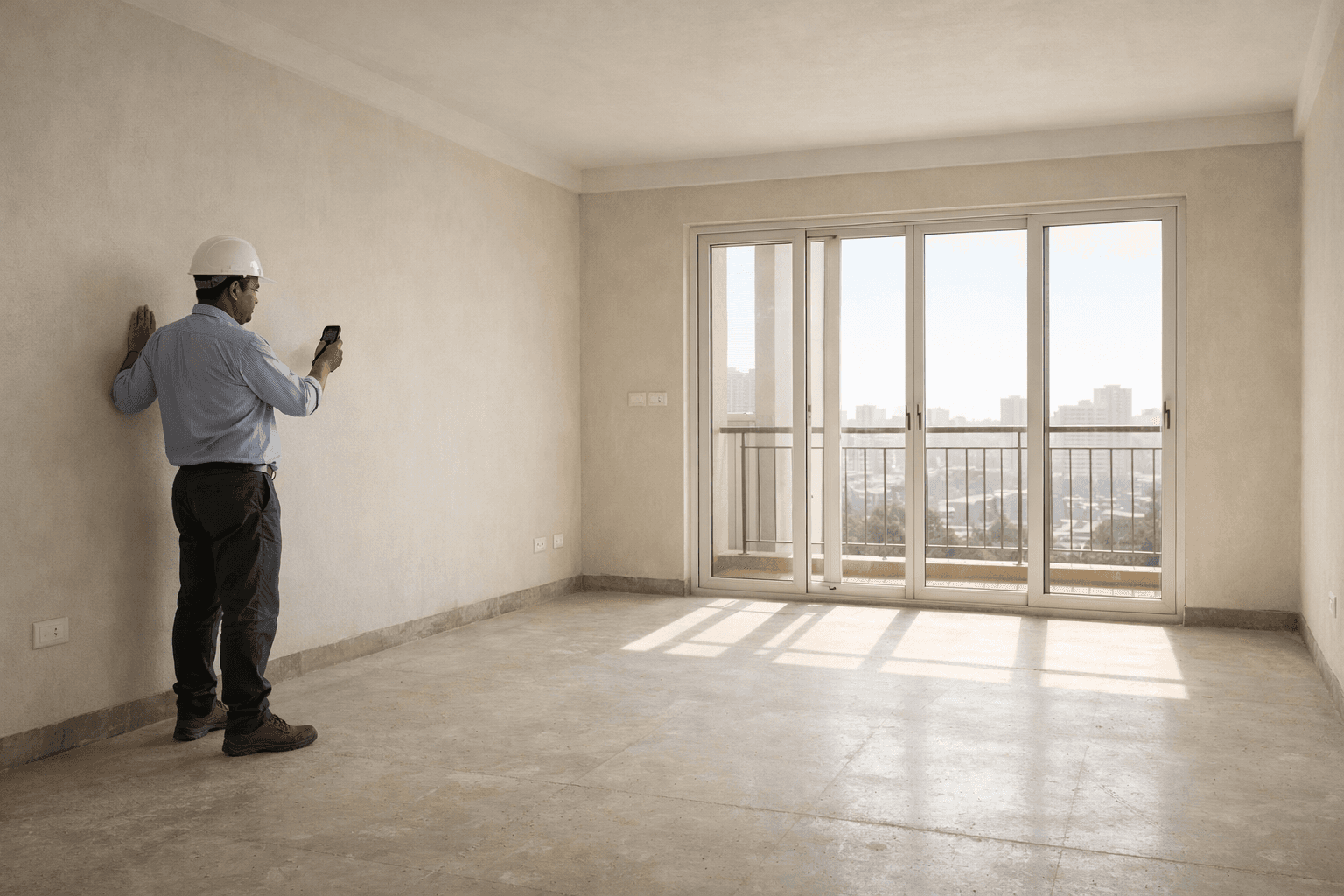
Why Material Substitution Keeps Happening in Chennai Homes
Material substitution in interiors is simple: one thing is promised, something else is installed. For many Chennai homeowners, this becomes clear only when a shutter bends, hardware rusts, or a countertop stains faster than expected. By then, the contractor has moved on, the bills are paid, and proving what was agreed is difficult.
Across new apartments and villas along OMR, ECR, and other fast-growing pockets, interiors are often done under time pressure. There is the builder handover date, family expectations, rent deadlines, and limited leave from work. In that rush, many people depend heavily on verbal promises and quick WhatsApp messages instead of clear, shared documents.
Material substitution in residential interiors usually means changing, without transparent approval:
Brands of plywood, laminates, hardware, or fittings
Thickness of boards or glass
Finish type or color series that looks similar but is cheaper
Specification of wires, LEDs, or plumbing fixtures
The pattern is repeated often:
An estimate is based on a known brand or higher spec.
During execution, the site team quietly opts for a cheaper or more easily available variant.
The homeowner either never finds out, or discovers it long after final payment.
For first-time homeowners, this is more than a technical problem. There is a mix of excitement and anxiety: a new home, a tight budget, and the fear of being taken for a ride. Most people do not speak the language of grade, density, core, or load rating. At the same time, they cannot sit on site every day to watch what is unloaded from each lorry. Interior design contractors in Chennai reduce this risk less by promising to “watch more carefully,” and more by setting up systems where materials are clearly defined, approved, and tracked before work begins.
Key Takeaways
Learn how interior design contractors in Chennai can prevent material substitution using clear specs, site checks, and transparent billing for peace of mind.
Where the Substitution Risk Is Highest in a Typical Home
In work across Chennai homes, the same vulnerable points repeat. Substitution often happens in areas that look similar to an untrained eye but behave very differently over a few years.
Common risk areas include:
Cabinets and wardrobes: plywood or MDF brands, thickness, laminate brands, edge banding quality
Countertops: granite name confusion, finish type (honed vs polished), thickness changes
Hardware: normal hinges passed off as soft close, lighter channels used for heavy drawers, unbranded lift-up systems
Electricals and lighting: cheaper wire brands, different modular switch brands, lower wattage LEDs, wrong color temperature
Loose furniture and accessories: different fabric series, lower foam density, cheaper bath fittings or shower systems
To a non-technical homeowner, a 16 mm board and an 18 mm board do not look very different once laminated. A glossy white laminate from one brand looks similar to another in photographs. A granite slab with a similar grain pattern can be from a completely different quarry. That visual similarity is exactly what allows substitution to slip through.
Chennai adds a few local realities:
High humidity and coastal air mean lower quality boards or poorly sealed edges fail faster.
Termites remain a genuine concern in many ground-floor and villa projects.
Local dealers sometimes push specific brands where margins are better for them, not necessarily better for you.
This is why clarity on the front end matters more here than in a dry climate. A cheaper core hidden behind laminate can lead to swelling, delamination, and loose hardware earlier than expected.
Designing a Clear Material Approval Workflow
Control over materials is usually decided before the first board is cut. If things are vague at that stage, supervision later cannot fully fix it.
Treat material approvals as a structured mini-project before execution starts. A clear pre-approval pack for each major item should include:
Product name and brand
Technical spec: thickness, grade, finish, color code, series name
Location of use: kitchen base cabinets, loft shutters, TV unit, etc.
Unit rate and estimated quantity, so you can see cost clearly
A simple format works best: one detailed material schedule as a PDF, and an Excel sheet with quantities and rates. When interior design contractors in Chennai share this early, homeowners can sit for one or two focused reviews and ask clear questions.
Physical samples and mock-ups are equally important:
Laminates, handles, aluminum profiles, and fabrics should be available as labeled samples that both sides initial.
For items that cannot be stored, like specific granite lots or light fittings, clear photos with date stamps help.
Experienced firms connect:
Drawings
Bill of Quantities (BOQ)
Material schedule
into one consistent set. Designer, site engineer, carpenter, and client all refer to the same files, so there is less scope for “I thought you meant the other brand.”
Verifying on Site Without Being There Every Day
Most IT professionals and other working homeowners in Chennai cannot be at site daily. A realistic system accepts this and designs verification around it.
Practical on-site controls can include:
Weekly updates summarizing what materials arrived, with photos of labels, stamps, and invoices shared via WhatsApp or a shared drive
Simple checklists linked to milestones: carcass completion, shutter fixing, countertop laying, final hardware installation
Tagging materials on site with marker or stickers that match the item code in the material schedule
A site supervisor or project manager should record, at minimum:
Brand and grade for boards, hardware, wires, and fittings
Invoice number and dealer name
Batch or series details where relevant
A few early red flags include:
Deliveries arriving without proper bills or with generic descriptions
Vague answers such as “same only, equivalent” without written specs
Frequent, last-minute brand changes explained only as “no stock in market”
When you have a documented baseline, these conversations become easier. You can ask, “equivalent to what spec, at what price, and where is it written?”
Handling Equivalents, Contracts, and Warranties Sensibly
In Chennai markets, exact products may go out of stock, color series may be revised, or specific granite lots may not be available again. Substitution itself is not always bad; the issue is when it is done quietly and to your disadvantage.
There is a clear difference between:
A genuine equivalent: same or better technical spec, similar price range, stated in writing
A cost-cutting downgrade: lower spec or unknown brand, rushed explanation, no clear documentation
A simple variation approval protocol helps:
The designer or contractor shares 1 or 2 alternates with side-by-side comparisons.
You decide and approve in writing, even if by a short email or WhatsApp message.
The BOQ and material schedule are updated to show the final choice.
A basic comparison table can look like this:
Item Type | Original Spec | Proposed Alternate | Price Impact | Client Decision |
|---|---|---|---|---|
Kitchen Plywood | Brand A, BWP, 18 mm | Brand B, BWP, 18 mm | No change | Approved / Not Approved |
Responsible interior design contractors in Chennai also clarify how any change may behave in our climate. For example, if an alternate hardware series has a different corrosion resistance rating, or if a different board grade reacts differently to humidity.
On the contractual side, documentation is your main protection:
A material specification annexure attached to the agreement, with both parties initialing each page.
A clear definition of what counts as a change and how it will be priced, so “extras” do not appear without warning.
A line that says any “equivalent or better” material needs prior written approval from you.
Payments and bills should also reflect material clarity:
Stage-wise payments tied to specific, visible milestones, not just dates.
Invoices that reference brands and model names instead of only generic headings like “kitchen work.”
For warranties, it helps to separate:
Manufacturer warranties, such as those from hardware or appliance brands.
Workmanship warranty from your contractor, for installation quality and finishing.
Keeping all warranty cards, invoices, and serial numbers in one digital folder makes future after-sales support smoother. When something fails, the question becomes “which document do we refer to,” not “who said what.”
How Interiors by DeX Fits Into This
At Interiors by DeX in Chennai, the focus is on system-driven interiors for apartments, villas, and premium homes. The approach to material substitution risk is process-based rather than promise-based. That typically means:
Detailed BOQ and material schedules shared before sign-off, with transparent pricing.
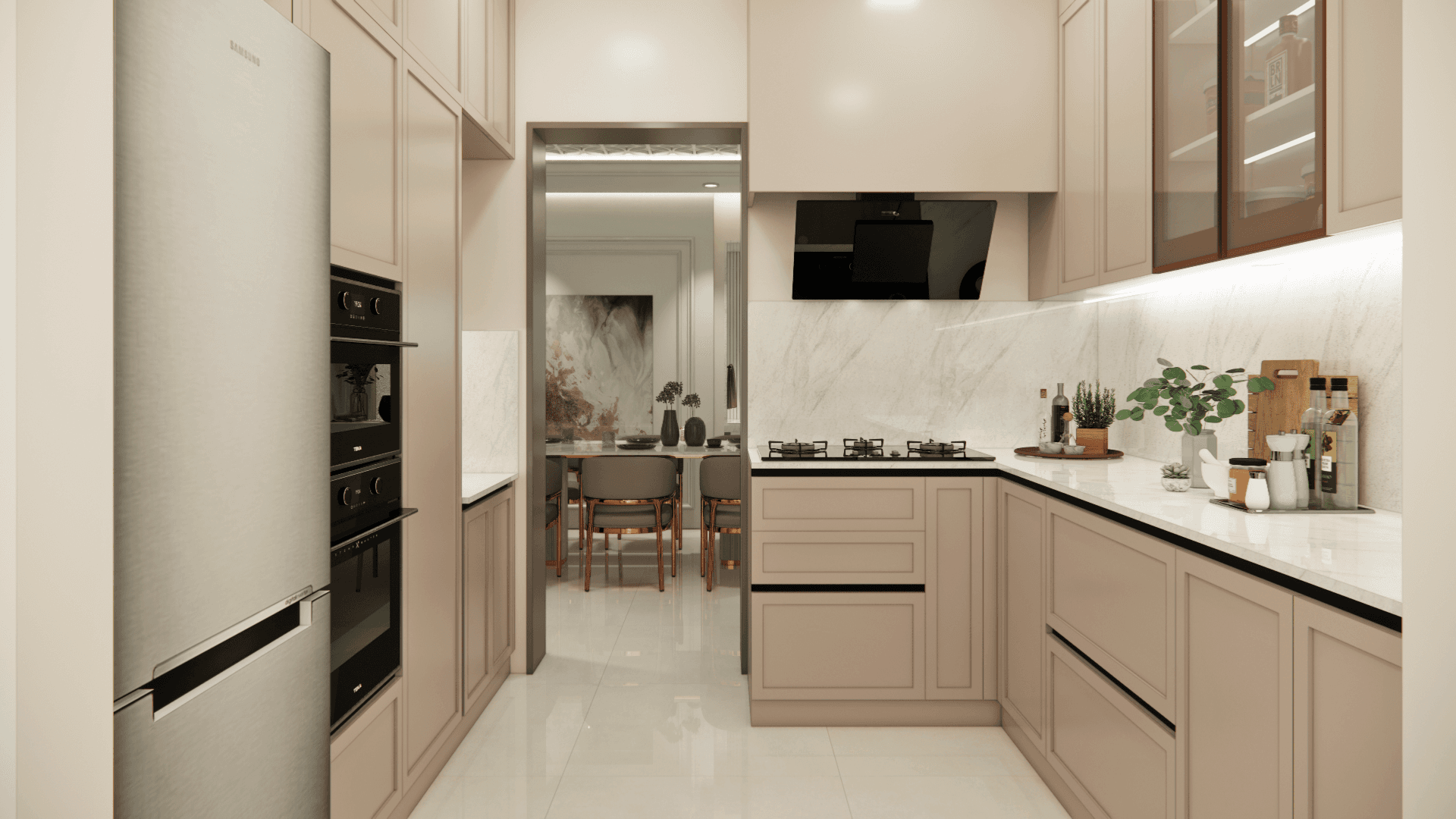
Use of physical and digital sample libraries for laminates, finishes, and hardware, so decisions are grounded in what you can see and touch.
A fixed approval flow: design freeze, then material freeze, then a shared folder of all confirmations, and execution that tracks back to those records.
The same records also support after-sales and warranty service later, because there is a clear record of what went into your home. For busy professionals along OMR or in other parts of Chennai, this kind of structure reduces the need for daily follow-up and lowers the chance of material-related surprises.
Moving Toward Calm, Predictable Interiors in Chennai
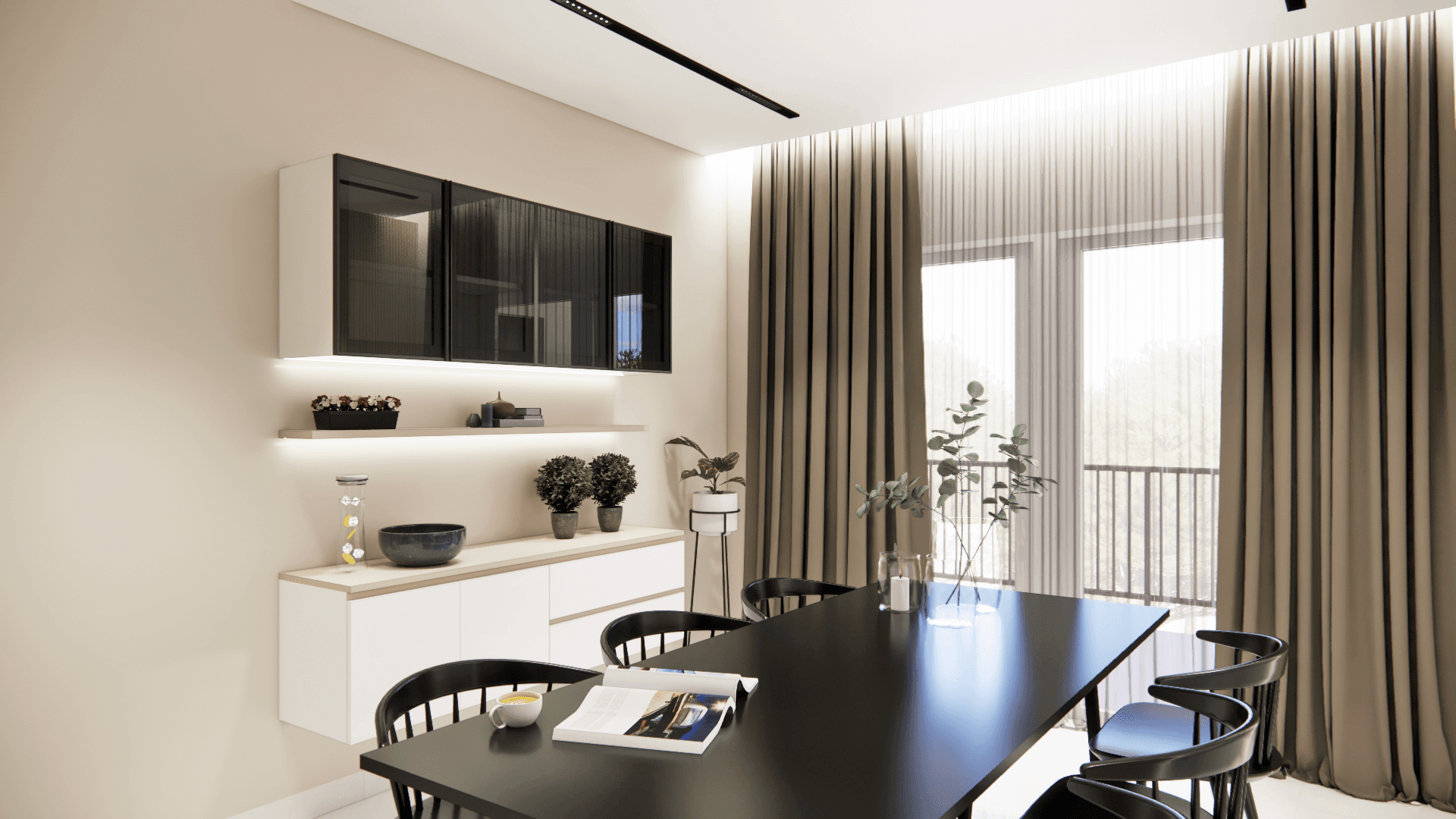
Completely removing uncertainty from a home project is unrealistic, but it can be reduced. When you insist on written material schedules, structured approvals for variations, and organized documentation, you narrow the space where silent substitution usually hides.
For Chennai homeowners, especially first-time buyers of apartments or villas, this is a one-time investment of attention that protects your home for years. Interior design contractors in Chennai who lean on systems, not just good intentions, are better positioned to keep materials, pricing, and accountability aligned with what you actually wanted in your home.
If you are planning interiors for a new apartment or villa in Chennai and want to understand how this kind of structured process would apply to your project, you can start with a simple discussion on scope, materials, and timelines. The objective is to make decisions clear upfront and reduce stress later, not to rush you into sign-offs.
Conclusion
Transform Your Chennai Home With Expert Interior Design Support
If you are ready to turn your space into a functional, custom-designed home, our team at Interiors by DeX is here to help. As experienced interior design contractors in Chennai, we work closely with you to understand your lifestyle, budget, and aesthetic preferences. Reach out today and let us plan a design solution that fits your needs from concept to completion, or simply contact us to discuss your project with our specialists.
Frequently Asked Questions
Is Material Substitution Always Bad?
Not always. When it is documented, equal or better in spec, and clearly approved, substitution can be practical. Problems arise when it is opaque and used mainly to cut cost without your knowledge.
How Can I Verify Plywood or Hardware Brands If I Am Not Technical?
You can still ask for simple proof: • Brand stamps on board edges and surfaces • Original boxes for hardware, with brand printed clearly • Dealer invoices that mention product names, not just “plywood”
Do System-Driven Interior Design Contractors in Chennai Cost More Because of This Documentation?
Planning takes more structured time at the start, but it usually reduces hidden costs, rework, and disputes later. The total value tends to be clearer and more predictable.
What If I Already Signed a Contract Without a Detailed Material List?
You can still add an annexure. Before production starts, do a joint review of each space, agree on brands and specs, and record them. Use that as the operative reference going forward.
How Much Time Should I Invest in Approvals as a Working Professional?
In many projects, two or three focused meetings for design and materials, plus a few short review sessions on shared documents, is enough. The goal is to concentrate decisions early, rather than stretch them out as last-minute phone calls.