Tips
Jan 9, 2026
What Chennai Villa Owners Overlook in Interior Wiring Planning
Electrical planning is one of the silent decisions that shapes how your villa will feel every single day. If wiring is not thought through early, you do not just get a few awkward plug points, you get years of small daily irritations, heat-related issues, and preventable safety worries.
We see this often in Chennai villas. The structure is beautiful, the finishes are premium, but the electrical work for interiors in Chennai has been treated like a checklist at the end. Here, we will unpack what usually gets missed, where builder wiring holds you back, and how to think clearly about wiring before any false ceiling or furniture work starts.
The Hidden Wiring Decisions That Shape Your Villa
The real problem in most villas is not obviously bad wiring. It is unclear planning. Points get added on-site, electricians guess based on habit, and no one stops to ask how your family will actually live in the space.
When electrical choices are rushed, you are locked into them for a long time. Once walls are closed and wardrobes, panelling and modular kitchens are fitted, changing wiring becomes messy, dusty and expensive. Most families simply live with extension boards instead.
Chennai villas also bring their own set of wiring challenges, especially because heat, higher appliance loads, and builder constraints stack up together:
High AC usage in long, hot months
Higher load from geysers, pumps and kitchen appliances
Builder limitations on where you can chase walls or move panels
Our aim here is to help you see wiring as an early design decision, not a late technical one.
How Builder Wiring Limits Your Future Lifestyle
Standard builder layouts often assume a very simple lifestyle, so the default electrical plan rarely matches how families live today. In many villas, you will see:
One TV point in the living room, few general sockets
Limited points in bedrooms, usually near the bed and door
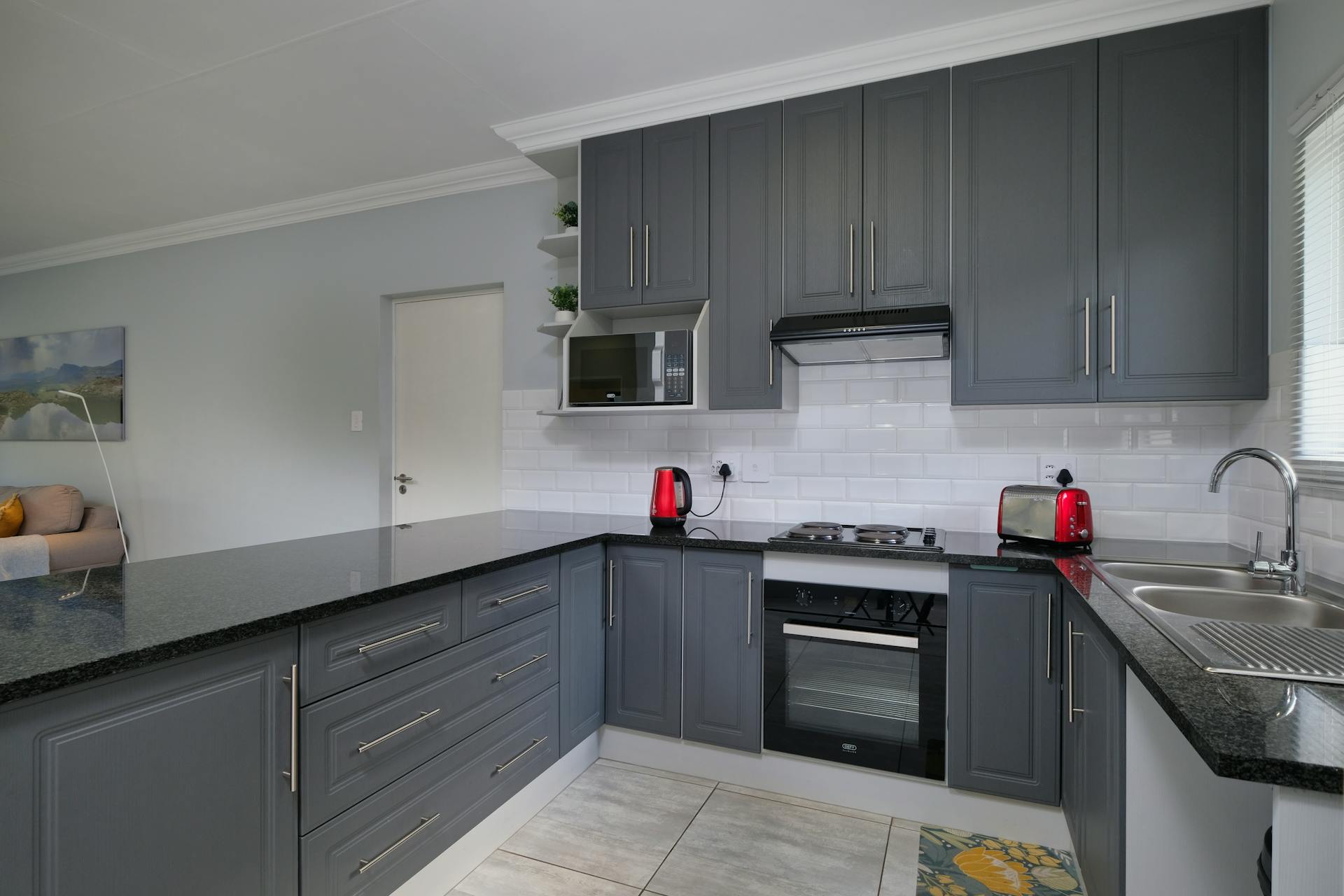
Basic kitchen points without thinking of oven, dishwasher or larger fridge
This made sense years ago, but does not match work-from-home, multiple gadgets and larger appliances. The result is that issues only become obvious after moving in, when real daily usage exposes the gaps:
Extension cords lying around in living rooms and bedrooms
Multiplugs overloaded near the TV or study desk
ACs tripping during peak summer because loads were not planned separately
Dark terraces and underlit outdoor sit-out areas in gated communities
You do not always have to throw out all builder wiring. In many cases, the right upgrades are targeted rather than total rewiring, and the improvement comes from a few practical corrections:
Add a few extra points in the right places
Split certain loads into separate circuits
Upgrade the main panel and protection devices
The more structural changes, like shifting the panel, moving many points or changing major circuits, are best done before interior work begins.
Zoning and Tech-Ready Wiring for Chennai Villas
Zoning simply means grouping circuits by use and load so your home runs calmly. In a multi-level villa, we usually plan zoning by separating heavy loads, protecting sensitive equipment, and ensuring faults stay contained to a logical area:
High-load appliances on their own circuits (ACs, geysers, oven, microwave)
Separate circuits for sensitive equipment like home office and IT devices
Logical splits by floor or zone, so one fault does not shut down the whole house
For Chennai’s climate and power reality, zoning becomes especially helpful in peak summer when AC usage is high. It also makes backup power planning clearer and more reliable:
Inverter circuits for lights, fans and key sockets
UPS for Wi-Fi, work-from-home desks and network gear
Generator input where the community provides one
A quick zoning checklist by area:
Living and family rooms
TV wall with enough sockets for TV, soundbar, streaming device, gaming console
Router and network points, not hidden behind fixed furniture
Charging spots near seating, plus mood and task lighting
Bedrooms
AC point with correct rating and wiring size
Bedside switches so you are not walking across the room in the dark
A clear point for a study desk or dressing unit
Lighting and points inside or near wardrobes if they are large
Kitchen and utility
Dedicated circuits for hob, chimney, oven or microwave
Points for fridge, dishwasher, mixer, water purifier
Correct wiring for water pump, washing machine and dryer in utility
Future-ready does not mean filling the house with gadgets. It means planning sensible routes and provisions now so you are not forced to cut walls later. In larger villas, this often comes down to getting connectivity and charging locations right for how you actually use the home:
Wi-Fi coverage for larger villas, maybe router plus one or two access points
LAN points in study or home office, especially along OMR or ECR where stable work calls matter
Enough USB or charging-friendly sockets near main gadget zones
Smart switches and automation can be helpful, but they do not replace good basic planning. The most useful approach is usually a mix of comfort, simplicity, and resilience, so the home still works smoothly even when apps or networks do not:
Scene or dimmer control in the living room and master bedroom
Simple, intuitive control in common areas that elders and staff can use without an app
Keeping some switches fully manual so the home is usable even if apps or networks fail
Hidden cabling is another common blind spot. These are rarely top of mind during design discussions, but they become difficult to add later once false ceilings and finishes are in place:
CCTV and video door phone wiring from gate to security room or main door
Conduits for speakers and projector in a media room before false ceilings go in
Provision near parking or driveway for possible EV charging and future solar wiring from terrace
Cost Clarity, Safety and Coordinating with Interiors
One big reason electrical work for interiors in Chennai feels stressful is budget drift. This usually happens when the scope is unclear upfront, decisions are pushed to the site stage, or other interior elements change after electrical work has already started:
Vague scope, like “all electricals for villa” with no clear breakup
Last-minute extra points added on-site
Changes to false ceiling and lighting after wiring has already been run
A clear quote typically separates the major parts so you can see what you are paying for and compare options properly:
Rewiring or new wiring
Extra points and special points like AC, geyser, oven, EV
Panel, MCBs, RCCBs and surge protection devices
Switches, sockets, plates and other accessories
Labour, testing and commissioning
A simple way to read any quote is to check whether it is specific enough to be accountable. In practice, that means it should clearly state:
How many points of what type in each room
What brand and rating for protection devices
Whether chasing, making good and coordination with carpentry or false ceiling is covered
On the safety side, Chennai villas need special attention because higher loads, humidity, and sensitive electronics increase both risk and inconvenience when protection is poorly planned. Key areas to verify include:
Load sanction versus the actual number of ACs and high-load appliances
Good earthing, especially in coastal and high-humidity zones
Surge protection for electronics, inverters and home office devices
Proper RCCB and MCB planning, grouped to reduce nuisance tripping but still protect people and equipment
You should also receive basic documentation. This does not just help during handover; it also helps years later when you are troubleshooting or adding a new appliance:
Marked-up drawings showing circuits and key routes
Panel schedule listing which MCB controls which area
Warranty information for branded products and clarity on what the execution team is responsible for if issues show up later
Wiring cannot be separated from interiors. False ceilings, lighting layout, furniture placement and kitchen design all depend on it, so sequence matters. A sensible sequence is:
Freeze furniture layouts and appliance positions
Decide power points and loads
Finalise lighting plan and false ceiling details
Then execute wiring
During execution, stress goes down when there are clear checkpoints and simple coordination practices. These steps keep surprises and rework to a minimum:
Sign-off after conduit laying and box positions, before plaster or panelling
Photo records of concealed routes that can be referred to later
A simple way to raise and close site issues when actual walls differ from drawings
Turning Wiring From Blind Spot to Confident Plan
Before work starts, walk each room and ask, “What will actually happen here on a normal weekday, in the morning, evening, and on the weekend?” The goal is to translate daily living into electrical decisions, so you are planning for real routines rather than generic assumptions:
Where you will sit, work, sleep and charge
What devices will be on at the same time
How often guests use the space
Some red flags in any wiring proposal are not always obvious to non-technical homeowners, but they reliably predict confusion later. Watch out for:
No load calculation or basic load listing
Only brand names, no model numbers or ratings
Lump sum with no count of points and circuits
No mention of protection devices
No drawings or only very rough sketches
At Interiors by DeX, we treat electrical planning as part of a larger villa interior process, not a side task. We work with structured checklists, room-by-room thinking, clear BOQs and drawings so modular work and wiring support each other instead of fighting on-site. That way, wiring shifts from a hidden risk to a quiet strength in your home, shaping comfort, safety and peace of mind for years.
Transform Your Chennai Home With Safe, Stylish Electrical Planning
Thoughtful lighting and safe wiring can completely change how your home feels and functions. At Interiors by DeX, we carefully plan and execute electrical work for interiors in Chennai so that every switch, socket and fitting supports your everyday life. If you are ready to discuss your space, preferences and budget, simply contact us and we will help you move from ideas to a fully realised interior.