Tips
Jan 9, 2026
Kitchen Layout Mistakes in Chennai Flats: Workflow and Ventilation

Why Chennai Flats Often Get Kitchens Wrong
Many Chennai homeowners collect keys to a new flat, walk into the kitchen, and feel a quiet disappointment. The brochure promised a sleek modular kitchen, but the reality is a cramped corner, poor airflow, and a layout that works on paper, not in daily life. In compact apartments along OMR and other corridors, even a small planning error can turn every cooking session into a series of avoidable inconveniences.
In a hot, humid city with strong cooking aromas and frequent frying and tempering, layout and ventilation matter more than the color of your cabinet shutters. In practice, the biggest regrets are rarely about brands or finishes, but about where the sink, hob, fridge, and windows ended up. This article focuses on the planning decisions that usually become obvious only after handover, and how thoughtful modular kitchen planning in Chennai can help you avoid rework and everyday irritation.
Frequent Layout Errors in Chennai Apartment Kitchens
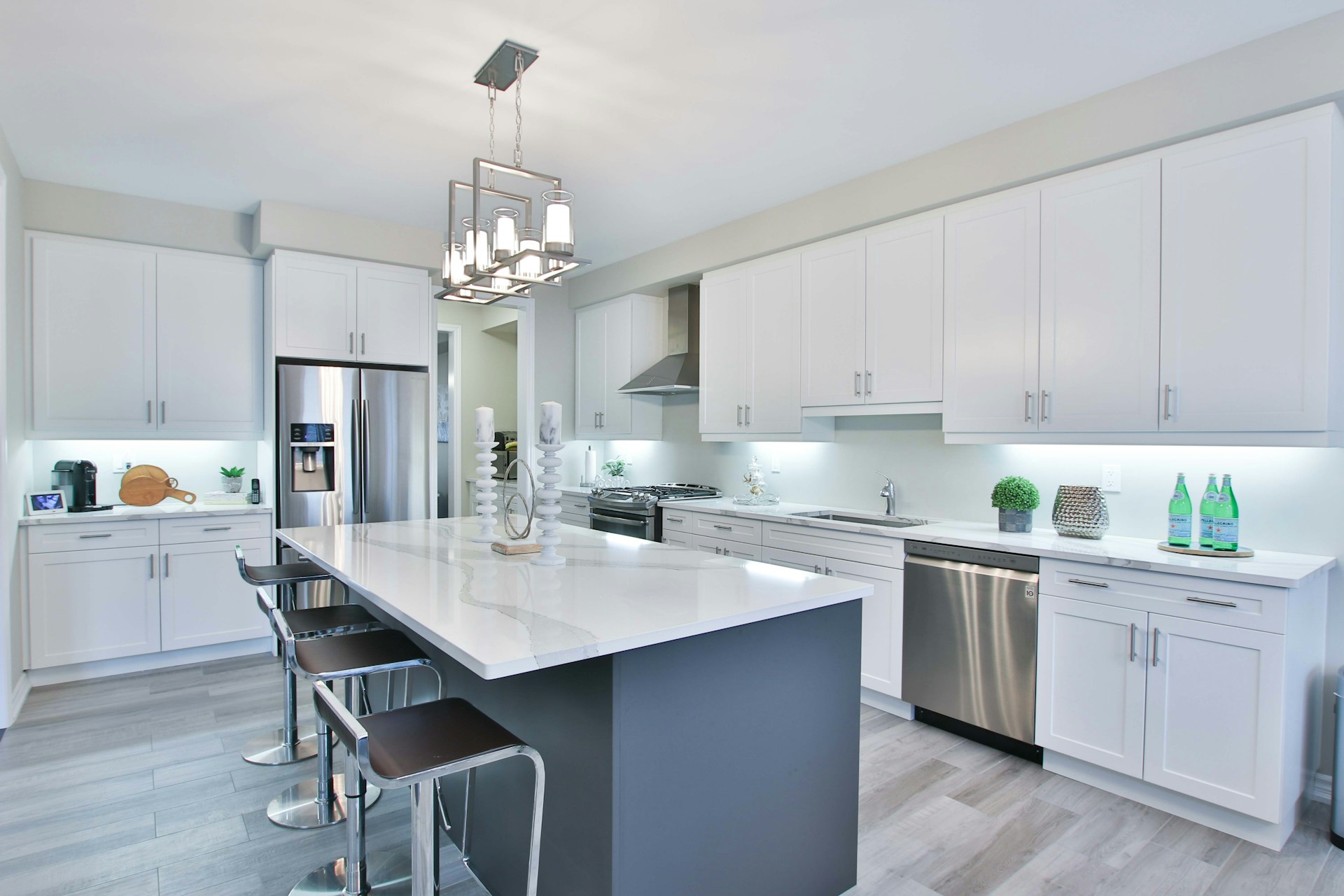
Many apartments here come with galley or L-shaped kitchens that look fine on a brochure, but feel tight the moment two people try to work together.
Typical issues include:
Passages so narrow that two people cannot cross without turning sideways
Tall units placed close to the only window, blocking light and the limited airflow available
Corners either wasted as dead space or made so awkward that you rarely use them
In narrow parallel kitchens, opposite counters are often just about 2 feet apart. On paper, the sizes add up. In reality, if the fridge door opens one way and the entry door opens the other, you can end up trapped. Oven doors, dishwasher flaps, and washing machine lids can clash with each other or with the main door when everything is open at once.
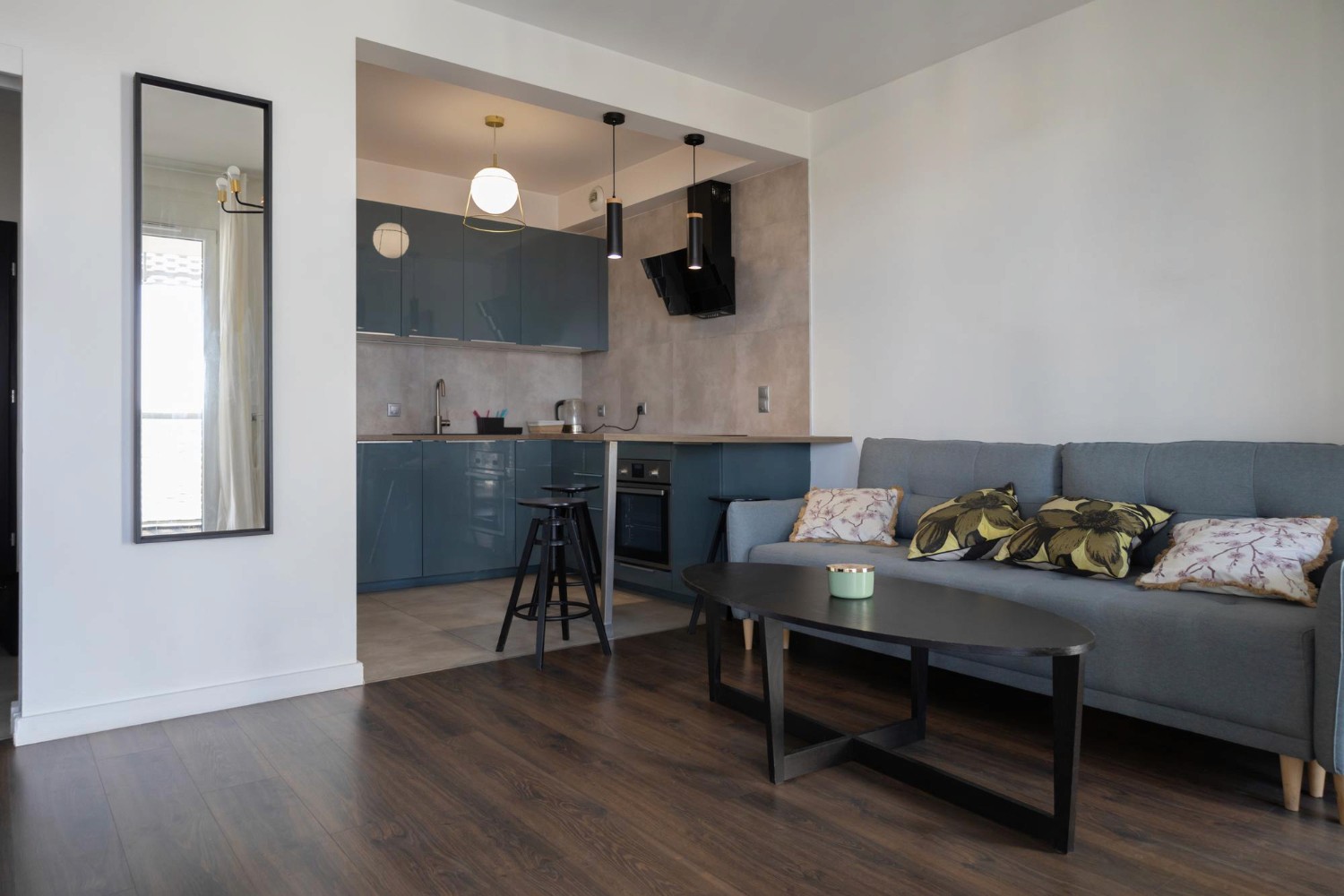
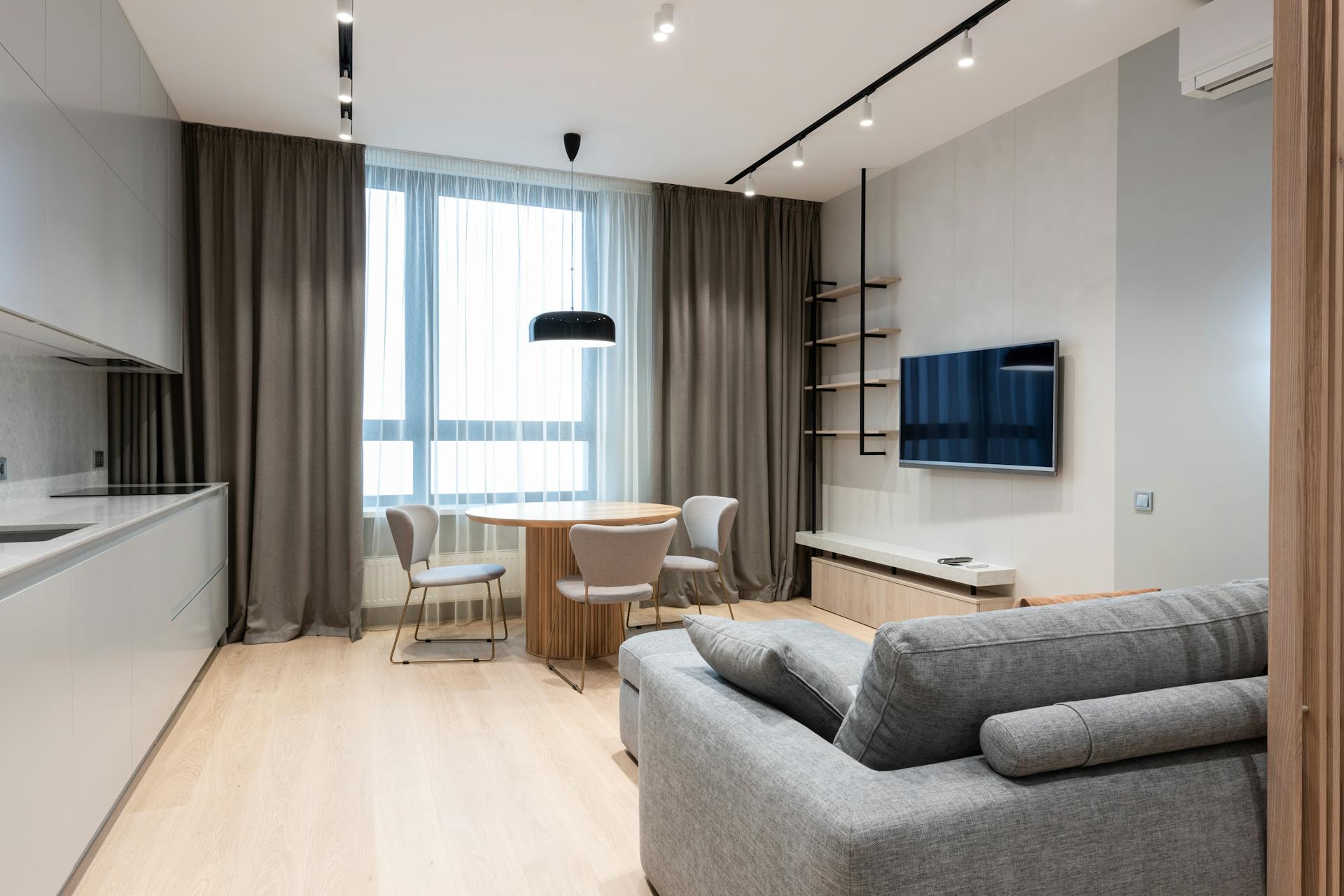
Open kitchens that flow into the living room reduce the closed-in feeling but create other problems:
The cooktop faces away from the window or shaft, so heat and smells move straight toward the sofa and TV
There is no way to visually or physically separate heavy cooking days from the living area
Tall partitions are avoided for aesthetics, but then oil and aroma travel freely
In many Chennai flats, small but precise changes solve a large part of these issues. Moving the hob a few inches so the chimney duct can reach the right shaft, narrowing a tall unit to free the window, or changing which side a fridge door opens on often improves usability more than adding an extra cabinet.
Ventilation Realities in Humid, Coastal Chennai Homes
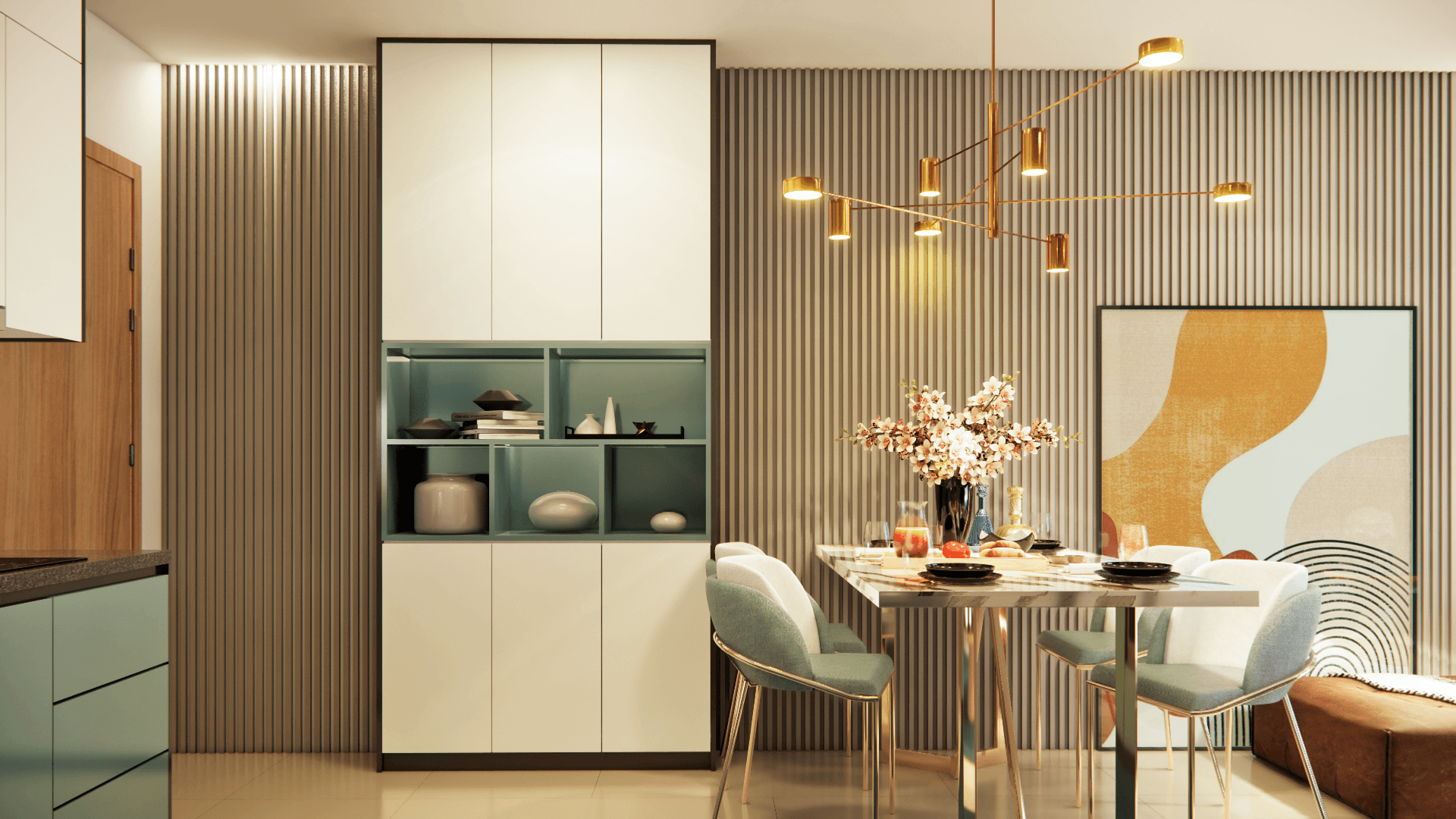
Most builders provide a small window, an exhaust fan point, and something called a chimney provision. In practice, this provision may be on the wrong wall for your preferred hob location, or the duct might be forced into a crowded shaft where fumes struggle to escape.
Common ventilation mistakes in Chennai apartments include:
Chimney ducts ending in a common shaft with poor outlet, causing smoke to linger on upper floors
Only using a recirculating chimney in a closed kitchen with heavy Indian cooking, so oil and smell stay inside
Overhead cabinets covering almost the entire window, leaving only a sliver for natural air
Local weather makes this worse. High humidity and salt in the air mean that poorly ventilated kitchens feel sticky, and hardware, hinges, and low-quality laminates age faster. When kitchens open directly into compact living rooms, strong odors from tempering, seafood, or deep frying can linger long after cooking is done.
When planning, it helps to be clear about:
Whether a ducted chimney route is realistically possible in your flat
How long and how curved that duct will be, since more bends can mean less effective suction and more noise
Whether you need an extra exhaust fan to support the chimney on heavy cooking days
For a typical 2BHK or 3BHK in the city, a balanced solution usually involves a correctly sized chimney with a sensible duct route, an unblocked window where possible, and a basic exhaust fan for days when you are not using the chimney but still need air movement.
Materials, Maintenance, Moisture, and Cost Clarity
Layout decisions affect how long your kitchen actually lasts. Placing the sink too close to a corner, for example, exposes the adjacent edge banding to constant splashes. Over time, this can cause swelling or peeling if materials and detailing are not chosen with moisture in mind.
Other layout-linked durability issues often seen in Chennai flats include:
Dishwashers or washing machines packed against walls without drip trays, creating permanent damp patches at the skirting
Utility balconies open to rain, with cabinets in direct line of wind-driven water near the window or door
Large pressure cookers and wet grinders stored under overhead cabinets, where steam consistently hits the same spots
A few practical choices make a noticeable difference over 5 to 10 years:
Discuss carcass material that can handle humidity better than basic particle board in exposed zones
Ask about proper edge banding and sealing, especially near the sink and utility door
Plan drip trays below the sink and slightly raised skirting so minor leaks or mopping do not soak the cabinet bases
Decide tile cladding height with your real cooking style in mind, not just for looks
Cost is often where anxiety sets in, especially for first-time flat owners. Better planning actually makes costs clearer, because you can separate civil changes from pure modular work.
Below is a simple way to think about cost buckets for a typical Chennai apartment kitchen:
Cost Bucket
What It Usually Includes
Notes For Chennai Flats
Civil changes
Moving plumbing lines, adding electrical points, opening or resizing a vent, basic masonry
Plan early, before tiling or false ceiling work; later changes are significantly more expensive
Ventilation
Chimney, ducting, exhaust fan, false ceiling patches for ducts
Check shaft access and allowable duct routes in your building; avoid very long or overly bent ducts
Storage & hardware
Base and wall units, tall units, internal organizers, corner mechanisms, hinges and channels
Match hardware quality to your usage; prioritize heavily used drawers and shutters
In terms of overall scope, many Chennai flat kitchens broadly fall into three levels:
Basic Modular: minimal changes to builder layout, standard chimney, simple shelves, and basic hardware
Mid-Range: adjusted workflow, proper chimney ducting, one or two tall units, and planned utility storage
Higher-End Within Apartment Context: full workflow optimization, corner solutions that are genuinely usable, better hardware, and slightly upgraded finishes
The main saving is in avoiding rework. Shifting a sink or hob after tiling, changing wrong-sized appliances, or breaking a new false ceiling to add ducting can easily cost more than the amount saved by skipping proper planning at the start.
How to Brief Modular Kitchen Designers in Chennai
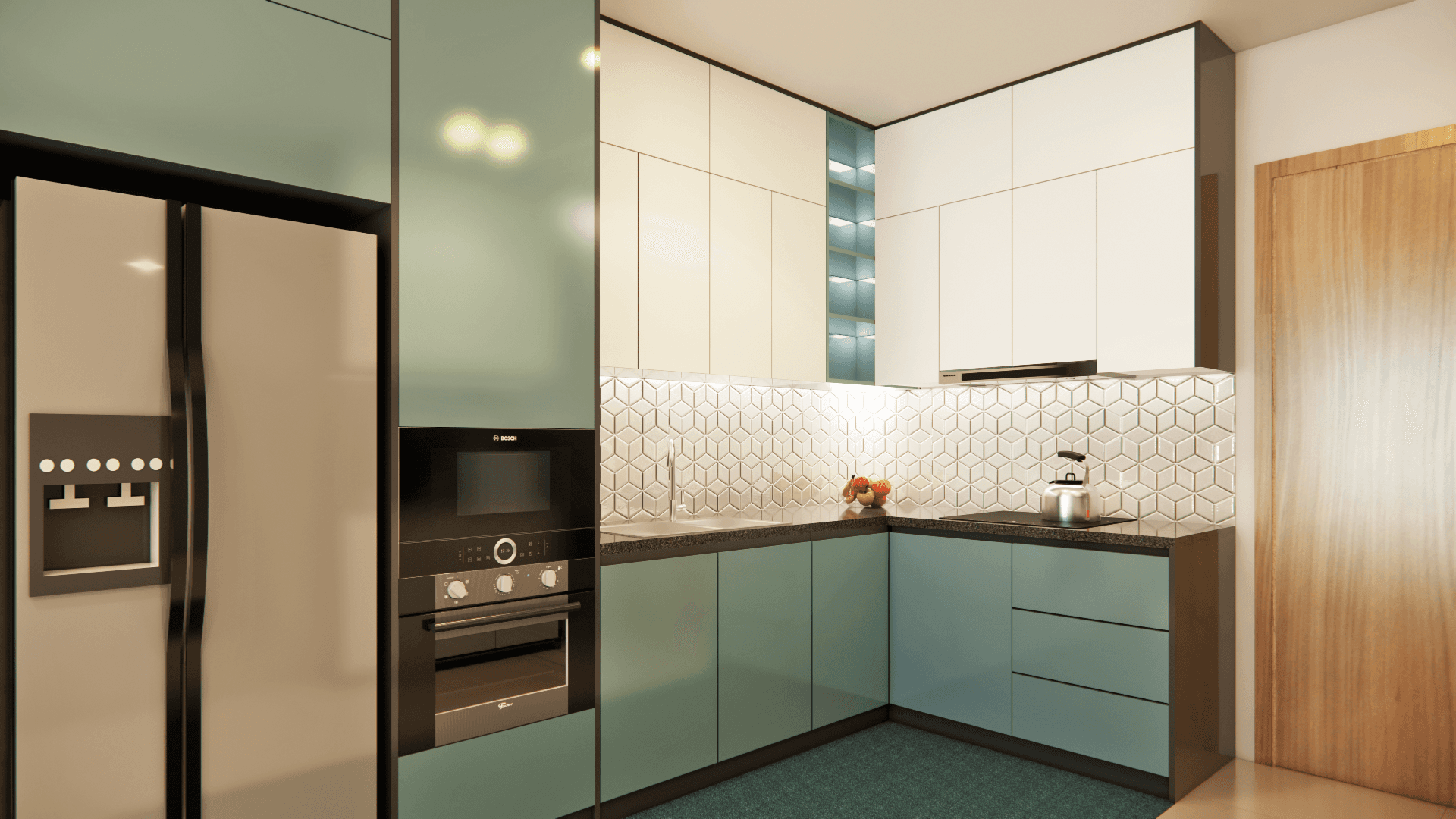
When you meet a designer, the quality of your brief matters. Before you sit down, it helps to:
Carry a floor plan with accurate measurements, clearly marked windows, beams, and builder plumbing and electrical points
Note your cooking patterns, how many meals you cook, who cooks, and which appliances you genuinely use
Take photos of the site, including shafts, utility balconies, and how the kitchen connects to living and dining spaces
In the discussion, ask questions that go beyond finishes:
How will two people work here without getting in each other’s way?
Where will smoke and steam actually exit from this layout?
If we do heavy frying several times a week, what would you change in this plan?
What civil changes are you recommending, and what will they cost roughly in this building?
A transparent process usually includes layout options, service point drawings, material discussion, and clear pricing, instead of vague promises and last-minute changes. In most Chennai flats, kitchens fail more from layout, workflow, and ventilation choices than from picking the “wrong” cabinet brand. Slowing down at the planning stage, questioning builder defaults, and testing how people and air will move through your kitchen on paper are the steady, low-profile decisions that make your kitchen work every single day.
A Grounded Next Step
If you are planning the interiors of a new flat in Chennai, it may be useful to spend a little more time on the kitchen layout before you finalise tiles, false ceilings, or appliance sizes. Walking through your daily cooking routine on the plan, checking how air will move, and asking for clear cost breakdowns can prevent most of the common problems seen in city apartments. Whether you work with an independent designer or a modular kitchen firm, a calm, detail-focused discussion at the start usually pays off over the years you will live with the space.

Transform Your Kitchen Into A Space That Truly Works For You
If you are ready to upgrade your cooking space with a layout that suits your home and lifestyle, our team at Interiors by DeX is here to help. Explore how our modular kitchen designers in Chennai can bring smarter storage, better workflow, and a clean, modern look to your kitchen. Share your requirements with us and we will guide you through materials, finishes, and customized solutions that fit your budget. To discuss your project or request a consultation, simply contact us today.
FAQs
Frequently asked questions
Find helpful answers about our services, detailed process, and bringing your vision to life.
Builder Finished the Kitchen: Is It Worth Changing Layout?
Do I Really Need a Ducted Chimney in a Chennai Flat?
Is It Risky to Put a Washing Machine in the Kitchen or Utility?
How Narrow Is Too Narrow for a Parallel Kitchen?
How Can I Avoid Being Overcharged for My Kitchen?