Tips
Jan 9, 2026
Hidden Post-Handover Costs: Society Fees, Lift Protection, Rework in Chennai

Hidden Costs After Handover, in Chennai Apartments
Apartment renovation in Chennai often looks simple on paper. You get the keys, do the interiors, move in and settle down. In reality, many costs show up only after handover, when you are already tired from builder follow-ups and paperwork.
At that point, society rules, deposits, fines and small line items can turn into a long list. None of this is exciting to think about, but it matters. When you understand these heads early, you can plan calmly, keep your family schedule clear and avoid last-minute arguments with the association or contractors in the lobby.
This article focuses on four areas that regularly surprise homeowners in Chennai apartments and gated villas: society charges, lift protection and access, debris removal and rework risks. These are not usually scams; they are mostly the result of poor communication and split responsibility between builder, society and interior team.
We are writing with new homeowners and first-time interior clients in Chennai in mind, especially those in gated communities and villas who are wary about unexpected charges after handover.
Society and Builder Charges That Appear Late
Till handover, the builder controls most rules. After handover and association formation, the society starts adding its own conditions. Charges usually fall into a few buckets:
Interior work permission or "fit-out" fees
Refundable security deposit for common area damage
Separate penalties for working outside allowed hours
Each project belt in Chennai can be different. Large OMR and ECR townships might have formal written fit-out guidelines. Central city and smaller standalones can run more on verbal rules and what the secretary says at that moment.
Common ways charges are calculated:
Per day or per month work permission
Flat one-time deposit per unit
Sometimes, a rate linked to apartment size
During peak handover season, often around summer holidays, associations may tighten work windows, such as no work on weekends or exam weeks. This does not always increase the base charge, but it can stretch your timeline and add to indirect costs like extra site visits.
A simplified view of how these charges may show up (indicative patterns, not fixed rates):
Cost Head | How It Is Usually Charged | What To Check Carefully |
|---|---|---|
Fit-out / interior permission fee | Per day or per month, or one-time | Whether renewals are needed |
Refundable damage deposit | Fixed amount per flat | Clear written conditions for refund |
Penalties for timing violations | Per day / per incident | What counts as a violation |
Practical steps to stay ahead:
Start asking about interior work rules 30 to 45 days before expected handover
Get clarity on: permission fee, deposit, allowed timings, penalties and lift rules
Ask for this list in an email or in the official group and save it
Share it with any interior firm you are shortlisting, before you freeze scope and schedule
When these society conditions are visible early, drawings, deliveries and manpower can be sequenced with fewer last-minute changes.
Lift Protection, Floor Covering and Access Logistics
In Chennai apartments, the lift often becomes a silent cost driver. Tiles, plywood, modular cabinets and appliances all move through the same lift the residents use daily. Associations are understandably strict about this.
Typical rules you might see:
Mandatory lift padding before any material movement
Specific time slots for loading and unloading
Fines for scratches on lift panels, doors or floor tiles
In hot months, some societies shorten noisy work slots to keep residents comfortable. That can stretch work across more days, which means more days of access control, security sign-ins and monitoring.
Protection materials usually used:
Foam padding and corrugated sheets for lift walls
MDF or plywood panels at lift entrances
Thick paper or PVC covering for lobby and corridor floors
Temporary runners on stair edges if lifts cannot take heavy loads
Who pays can vary, so it helps to know the pattern. A simplified view of what is commonly seen in Chennai:
Item | Who Usually Charges | Common Pattern |
|---|---|---|
Lift padding | Society or builder | One time per flat or shared building expense |
Corridor floor covering | Interior contractor | Included in site protection / labour costs |
Stair protection | Interior contractor / client | Treated as part of civil work set-up or extra item |
Planning points that reduce the chance of penalties:
Batch heavy deliveries so that big items come in fewer, focused days
Share your work calendar with the association so they know peak movement days
Avoid surprise late evening deliveries that strain security and invite penalties
Ask your interior firm to include protection as a clear, written line item
When everyone sees "lift and corridor protection" in the plan, it is treated as a normal part of the project, not an extra demand.
Debris Removal, Loading Lift Time and Rules
Debris is one of the most argued topics in Chennai apartments, because it affects both the home and the common areas. Waste can come from:
Removing builder wardrobes or kitchen units
Changing kitchen counters or dado tiles
Extra electrical chasing in brick or block walls
Bathroom tile or sanitary ware changes
False ceiling cut-outs and adjustments
Many basic quotes quietly assume only "light carpentry waste" such as laminate offcuts and packing. But civil debris, like broken tiles and concrete, needs separate handling and cannot go into regular society bins.
Debris removal costs usually combine:
Lorry or mini truck trips for hauling waste
Labour to bag and load debris from flat to vehicle
Any society charge for using service lifts or ramps for debris
A typical pattern by renovation scale might look like this:
Scope Type | Debris Volume | Likely Trips | Relative Removal Cost |
|---|---|---|---|
Minor (no wall breaking) | Low, mostly cartons and small offcuts | Few | Lowest |
Medium (some wall or counter changes) | Moderate broken tiles and rubble | More | Medium |
Heavy (bathrooms and wall shifts) | High rubble and old fixtures | Several | Highest |
To avoid paying twice for the same work:
Clarify if the builder is responsible for removing waste created during their own rectification or snag work
Check if society offers any debris support for early handover units; some do for a short period
Ensure your interior contract clearly states if debris removal covers only up to your flat door, or all the way to legal disposal
Spelling out steps such as segregation inside the flat, movement path to vehicle and final disposal responsibility reduces on-site bargaining by ad-hoc labour teams for "extra money" on the last day.
Rework Risks, Water Leaks and Hidden Damage Costs
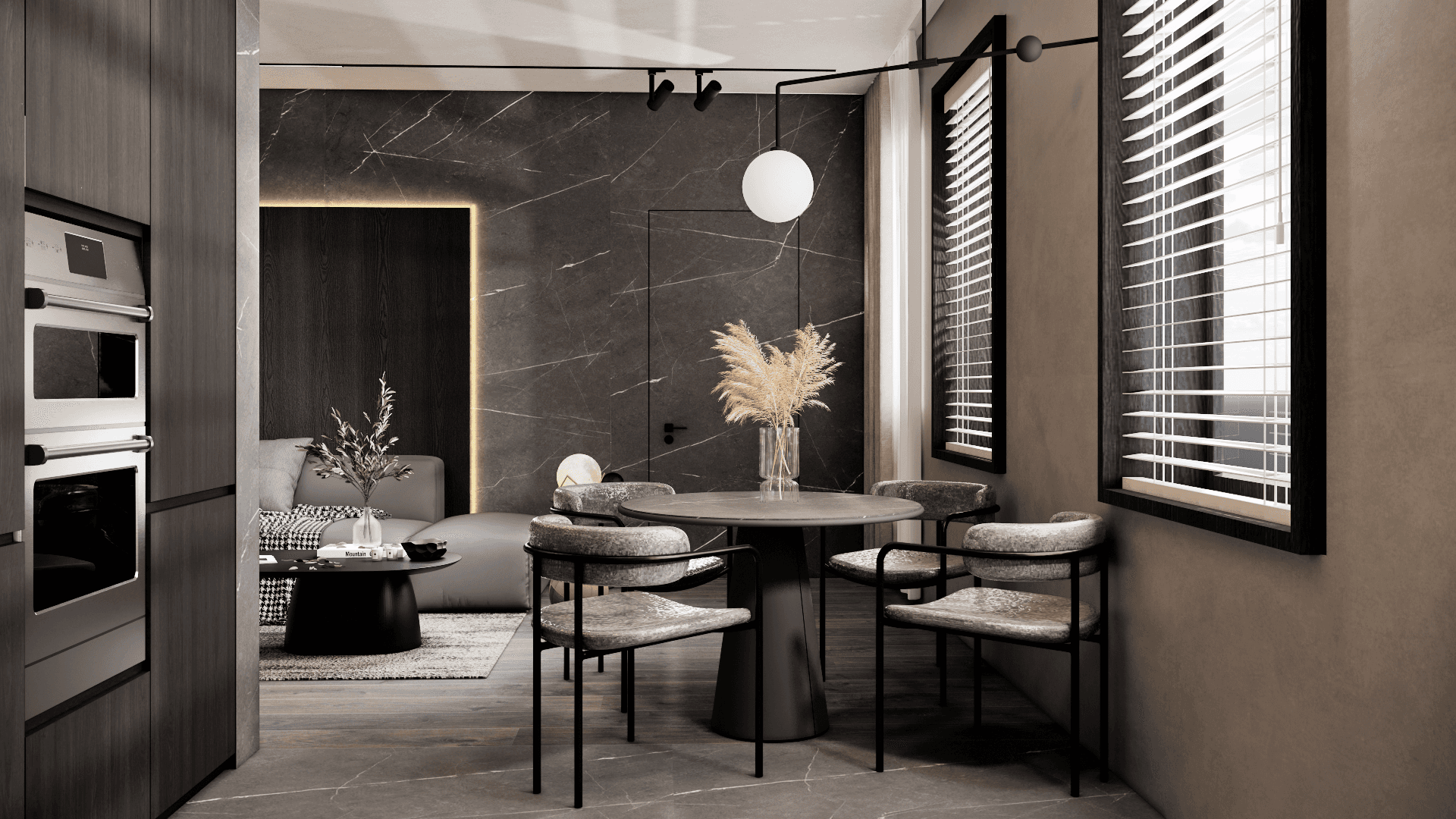
Rework is one of the biggest hidden cost heads in any apartment renovation in Chennai. It rarely looks large at the start. It often begins with small changes like:
Swapping tile selections after material has reached site
Moving electrical points after false ceilings are closed
Shifting wardrobe positions after basic carcass work has started
Chennai's heat and humidity make some decisions more sensitive. Poor cross ventilation, ignoring harsh afternoon sun on a west-facing room or blocking air flow with full-height wardrobes can feel acceptable on paper but become uncomfortable after a month of living. Fixing these after move-in often means new society permissions, debris, lift usage, and fresh labour.
Then there are technical surprises:
Water seepage showing up from the flat above after you have redone a bathroom
Slab level undulations that force you to adjust tile layout or cabinets on site
Plumbing shaft surprises, for example, pipes placed slightly off drawing
The chain reaction is what increases the cost: dismantling modular units, reopening tiles or false ceilings, removing fresh paint, then putting everything back the right way. It is not just material, it is access, permissions and time.
Practical buffers and safeguards include:
Keeping 5 to 10 percent of your interior budget mentally set aside for rework or technical fixes
Doing a thorough site walk with focus on moisture marks, hairline cracks and plumbing access before finalising design
Double-checking electrical load, AC locations and drain routes ahead of ceiling work
These steps do not remove all risk, but they reduce the chances of major surprises after you move in.
A Calm Next Step
If you are about to take handover in a Chennai apartment or gated villa, a simple next step is to collect the society's written fit-out and renovation rules and map them against your planned scope. Sharing this information early with whichever interior team you choose will help you avoid avoidable charges and keep the project schedule more predictable.

Transform Your Chennai Apartment Into A Space You Truly Love
If you are planning an apartment renovation in Chennai, we can help you create a home that is both beautifully designed and highly practical for everyday living. At Interiors by DeX, we collaborate closely with you to understand your lifestyle, budget and timelines so every detail works in your favour. Share your ideas, photos or floor plan and we will guide you through a clear, structured renovation process from initial concepts to final handover. Ready to discuss your project in detail? Simply contact us to get started.
FAQs
Frequently asked questions
Find helpful answers about our services, detailed process, and bringing your vision to life.
Do All Societies in Chennai Charge for Renovation Work?
When to Discuss These Costs: Before or After Choosing a Designer?
Can I Negotiate or Waive Society and Lift Charges?
Are Costs Different for Villas vs. Apartments in Gated Communities?
What Budget Buffer Should I Keep for Hidden or Indirect Costs?